
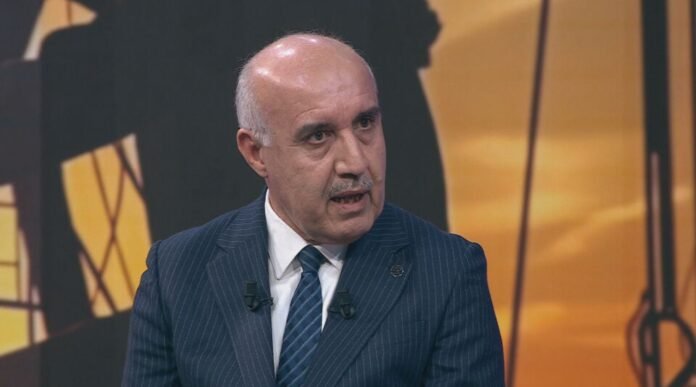
The Kurdistan Regional Government (KRG) confirmed that over 2.1 million barrels of oil have been exported to Turkey’s Ceyhan port. Acting Natural Resources Minister Mohammed Kamal Mohammed stated that the Region currently produces 250,000 barrels per day, with 50,000 barrels reserved for domestic use. He emphasized that local consumption supports electricity generation, gasoline production, and kerosene supply, which are vital for all sectors in the Region.
Minister Mohammed explained that exports averaged 190,000 barrels daily to Iraq’s State Oil Marketing Organization (SOMO) over the last 11 days. He clarified that temporary export suspensions occurred due to storage congestion at Ceyhan port, but the KRG coordinated with Baghdad to ensure smoother schedules. He reiterated that the KRG manages oil production, transportation, and data, while SOMO handles only marketing.
The minister also highlighted the financial importance of oil, noting that 65% of salaries in the Kurdistan Region are funded from oil revenues. Disputes with Baghdad over public sector salaries have prompted ongoing coordination, and the KRG recently implemented measures to address revenue distribution concerns. Kerosene distribution to citizens is set to begin within 10 days.
Mohammed stressed that oil exports had been halted for 30 months due to legal disputes with Baghdad, causing financial losses. The current export agreement will remain in effect until the end of the year, with exports continuing until a new deal is finalized. He added that if Kirkuk oil flows through the KRG pipeline, Turkey will receive $1.29 per barrel from SOMO.
The tripartite agreement involving the KRG, Baghdad, and international oil companies followed months of negotiations to resume exports, restoring a key revenue stream for Iraq and the Kurdistan Region.