
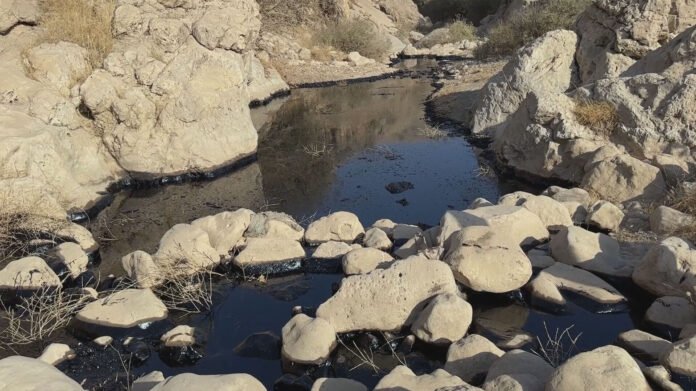
Authorities in the Kurdistan Region are racing to remove dozens of tons of toxic waste illegally dumped near Lake Dukan, which threatens the drinking water supply for an estimated five million people. The waste, suspected to include black oil residues and battery acid, was found along a main rainwater channel that feeds into the lake.
Environmental police warn that the approaching autumn rains could wash the hazardous material into the reservoir, creating a potential ecological and public health catastrophe. The contamination could destroy aquatic life, kill fish populations, and overwhelm water treatment facilities, leaving millions without potable water.
Initial containment efforts, including covering the chemical sludge with soil, failed due to the substance’s consistency. Authorities have now adopted a more complex approach: mixing the toxic waste with soil to manage it for excavation, then transporting it to a secure location for proper disposal.
A legal and security response has also been launched, as investigators work to identify the perpetrators, likely of industrial origin. Experts emphasize the need for chemical analysis to confirm whether the material is black oil, acid, or other hazardous compounds.
This is the most serious pollution event Lake Dukan has faced in recent years. Previous incidents, like last year’s tanker fire, caused temporary disruptions, but the current scale—dozens of tons of toxic waste—poses a far greater threat. Authorities stress that the coming days are critical to protecting the lake, its ecosystem, and the millions who rely on it for drinking water.