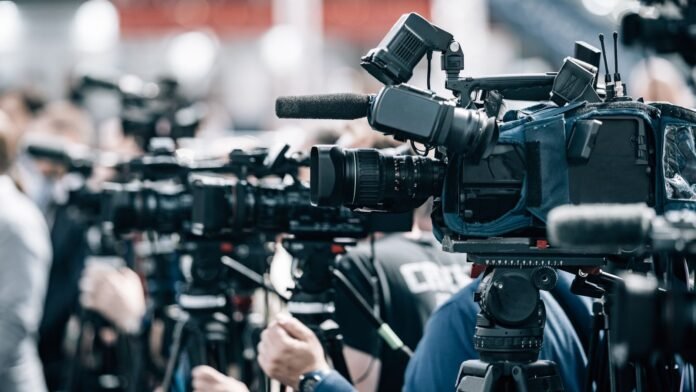
The Kurdistan Region now hosts a vibrant and growing media scene with 30 satellite channels and 128 local TV stations. This surge in broadcasting outlets strengthens public access to information and encourages stronger competition among media groups. Moreover, the expansion increases opportunities for journalists, technicians, and creative workers across the region.
Erbil leads the media sector with the highest concentration of broadcasters. The city attracts investors, media companies, and young creators because it offers strong infrastructure and growing audiences. Furthermore, Erbil’s diverse population fuels demand for varied content, and this demand pushes channels to innovate. The city also supports new studios, training centers, and production companies that shape the region’s media identity.
Sulaimani follows closely with a dynamic mix of local channels. The city offers long-standing media traditions, and many journalists choose Sulaimani because it encourages open debate. Additionally, the city’s cultural scene supports content creators who explore social issues, arts, and political developments. This environment strengthens media diversity and expands the range of programming.
Duhok continues to grow as well. The city attracts cross-border audiences, and many broadcasters focus on cultural and educational content. Moreover, Duhok’s unique location helps media outlets engage viewers from neighboring regions. This reach increases cooperation between teams and supports multilingual programming.
Media experts note rising public interest in news, entertainment, and documentaries. Channels now compete with digital platforms, and this competition motivates stronger quality and faster reporting. Furthermore, many outlets invest in modern technology to improve production and deliver clearer broadcasts.
Through this growth, the Kurdistan Region builds a competitive and influential media sector that serves diverse audiences and supports regional development.