
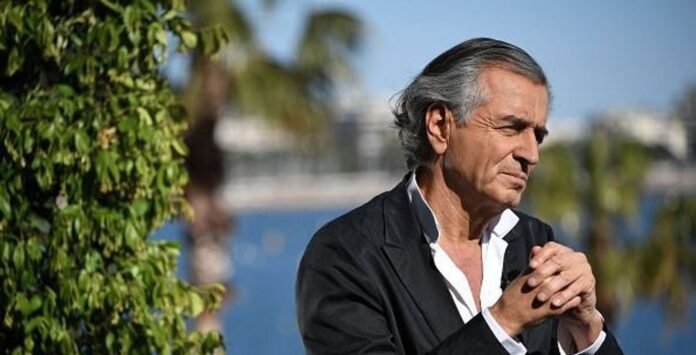
French philosopher Bernard-Henri Lévy warned that ISIS continues posing a serious global threat. He stressed that extremist ideology has not disappeared despite military defeats. Moreover, he emphasized that complacency could allow dangerous groups to regroup.
Lévy highlighted Kurdistan’s frontline role in confronting terrorism. He praised Kurdish forces for defending their land and wider regional stability. Additionally, he noted that Kurdish fighters protected Western interests during critical moments.
Transitioning to political issues, Lévy strongly reaffirmed support for Kurdish statehood. He stated that the Kurds deserve international recognition and sovereignty. Furthermore, he described the Kurdish struggle as unique and historic.
Lévy referenced decades of persecution endured by Kurdish communities. He cited mass displacement, repression, and systematic violence. Moreover, he recalled genocide campaigns that targeted Kurdish identity and survival.
He emphasized sacrifices made during the fight against ISIS. Kurdish forces paid a heavy price while defending civilians and territory. Consequently, Lévy argued that moral responsibility demands stronger global support.
Transitioning to current security risks, Lévy warned that ISIS cells remain active. He explained that instability and political uncertainty create opportunities for extremists. Additionally, he urged sustained vigilance and cooperation.
Lévy stressed that abandoning Kurdistan would weaken regional security. He argued that neglect would embolden extremist networks. Therefore, he called for long-term partnerships and security guarantees.
Moreover, Lévy praised Kurdistan’s commitment to pluralism and coexistence. He highlighted protection for religious and ethnic minorities. At the same time, he described Kurdistan as a model for tolerance.
Transitioning to international responsibility, Lévy urged Western governments to act decisively. He called for political courage and strategic clarity. Furthermore, he warned against short-term calculations.
Lévy concluded by reaffirming his personal commitment to the Kurdish cause. He described Kurdish statehood as a matter of justice. Ultimately, he argued that freedom requires recognition and lasting support.