
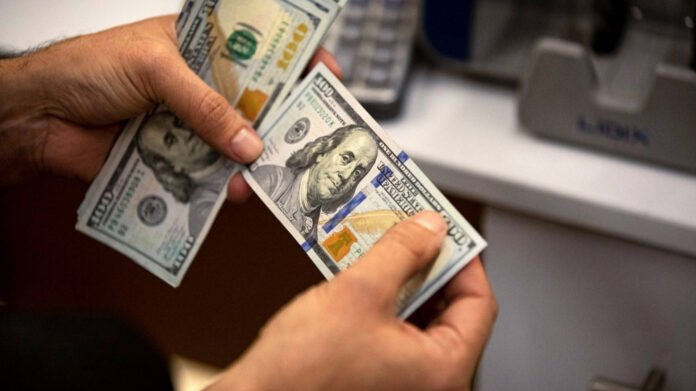
The Iraqi dinar weakened on local markets amid rising political pressure from Washington and growing regional uncertainty.
On Tuesday, the exchange rate reached 151,500 dinars per 100 U.S. dollars. This shift reflected mounting concerns among traders and financial observers.
Meanwhile, global gold prices surged to historic levels. Gold surpassed $5,100 per ounce for the first time. Investors turned to gold as geopolitical tensions increased worldwide.
Analysts linked the Iraqi dinar decline to political signals from the United States. These signals raised fears about future financial restrictions and policy shifts. Consequently, market confidence declined across several Iraqi trading centers.
At the same time, currency dealers reported higher demand for dollars. Many investors sought safer assets. As a result, pressure on the dinar intensified throughout the day.
Additionally, regional instability contributed to market anxiety. Ongoing conflicts and diplomatic tensions pushed investors toward traditional safe havens. Therefore, gold prices continued their rapid climb.
Economic experts explained that gold benefits during periods of uncertainty. They noted that inflation fears and political risks drive demand. Thus, prices reached unprecedented levels.
In Iraq, economists warned that continued currency weakness could affect import costs. Higher prices may place added strain on households. Moreover, businesses could face rising operational expenses.
However, officials stressed that monetary tools remain available. They emphasized the importance of financial stability and market confidence. Furthermore, they called for calm among traders and citizens.
Looking ahead, observers expect continued volatility. Much depends on political developments and international relations. Until clarity emerges, markets may remain under pressure.