
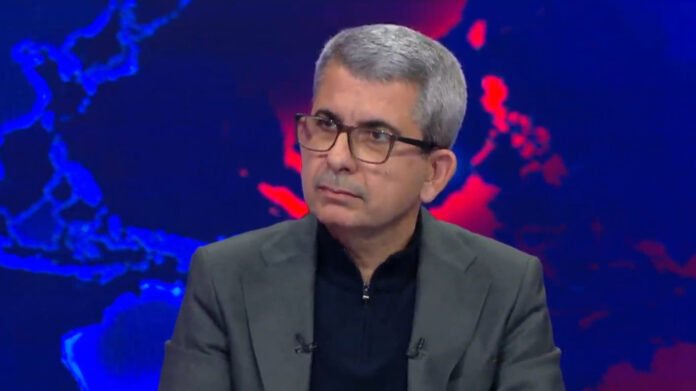
A senior Kurdistan Regional Government official accused Baghdad of census manipulation aimed at reshaping political balance and budget allocations. Sirwan Mohammed, the KRG’s deputy planning minister, rejected the federal government’s 12.67 percent population figure for the KRG. He warned that Baghdad census manipulation could distort representation and financial distribution.
Mohammed stated that the federal figure contradicts previously agreed frameworks. He argued that authorities conducted the census under a joint agreement between Erbil and Baghdad. Therefore, he said, altering or selectively interpreting the data undermines institutional trust.
According to Mohammed, Baghdad census manipulation affects more than statistics. He explained that population percentages determine federal budget shares, parliamentary representation, and administrative planning. Consequently, any disputed figure could influence elections and fiscal policy.
He emphasized that the Kurdistan Region maintains that its population share stands at 14.1 percent. In contrast, Baghdad announced a 12.67 percent figure. Mohammed described this discrepancy as politically motivated. Furthermore, he warned that accepting inaccurate data would weaken constitutional principles.
The deputy minister stressed that transparent methodology remains essential. He called for joint technical committees to review the figures. Moreover, he urged federal authorities to avoid unilateral announcements. He stated that cooperation ensures stability, while Baghdad census manipulation risks political tension.
Mohammed also noted that fair demographic data supports national cohesion. Budget planning, service delivery, and infrastructure investment depend on reliable numbers. Therefore, he said, any attempt to adjust figures for political leverage could damage long-term governance.
In conclusion, the KRG official reaffirmed Erbil’s commitment to dialogue. However, he cautioned that Baghdad census manipulation could undermine trust between federal and regional institutions. He called for constructive engagement to protect constitutional balance and financial fairness.