
By: Kamiyar Deraney
You have probably noticed every time you pull up to the pump that a full tank costs a lot more than it did last year, and war is the reason why. Regional fighting blocked the pipelines, refineries cannot get enough crude, and prices went up and stayed up.
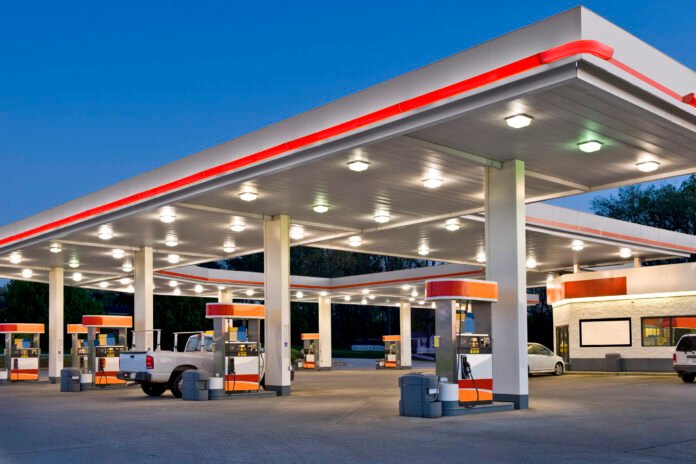
According to KurdNeft, a chain gas station available in Erbil and Duhok, the official prices are the same across those two cities. In Erbil and Duhok, Normal fuel costs 980 dinars per liter with 92 octane for normal cars. Improved fuel costs 1275 dinars per liter with 95 octane for newer sedans. Super fuel costs 1425 dinars per liter with 97 octane for turbocharged engines. Diesel A costs 1400 dinars per liter, and Diesel B costs 950 dinars per liter. Twelve months ago, Normal was 750 dinars and Improved was 1000 dinars, so you are now paying roughly 30 percent more for the same fuel.
The number of cars on the road helps explain why demand stays high. Erbil has roughly 982,000 registered vehicles, Sulaymaniyah has around 721,000, and Duhok has fewer. In 2024, Erbil recorded 709 traffic crashes, Duhok recorded 581, and Sulaymaniyah recorded 1,012. More crashes mean more cars on the road, and more cars mean more fuel burned.
How much fuel your family uses depends on where you live. In Erbil, a family uses about 12 liters per day including car fuel. In Duhok, summer use is 10 liters per day, but winter use jumps to 18 liters because heating costs fuel. In Sulaymaniyah, a family uses about 14 liters per day because more traffic means more fuel burned.
Here is something important that most people do not talk about. The Kurdistan Regional Government and Baghdad cannot agree on oil for domestic use. Baghdad says local consumption should be 46,000 barrels per day, but the KRG demands 65,000 barrels per day, and the oil minister said this disagreement violates the budget law. The region also loses about 300,000 barrels per day from its OPEC quota because production is never exported. This is why your fuel costs more.
You cannot stop the war, but you can change small habits and they add up. Match your fuel to your car and do not put Super 97 in a regular family sedan because you are throwing money away. Use Normal 92 for normal cars, Improved 95 for newer cars, and Super 97 only for turbocharged engines. Drive less by combining errands into one trip, walking to the corner store.
Stop buying black market fuel because it is cheaper and tempting, but water in the fuel damages your injectors and injectors cost hundreds of thousands of dinars to replace, so you lose in the long run. Switch to gas for cooking because gas cylinders cost less per meal than kerosene and gas burns cleaner. Do not idle your car because idling for ten minutes burns half a liter of fuel and half a liter gets you nothing. Wash clothes in cold water because heating water for laundry burns diesel, and cold water cleans clothes perfectly fine.
Think about your actual numbers. You drive a sedan with a 50 liter tank and use Improved 95 at 1275 dinars per liter, so a full tank costs 63,750 dinars. One year ago, that tank cost 50,000 dinars, so you pay an extra 13,750 dinars per tank. If you fill up twice a month, you pay an extra 330,000 dinars per year, and that is one month of rent for many families or school supplies for two children.
Erbil has nearly one million vehicles and Sulaymaniyah has over 720,000, so each one burns fuel every day. Multiply your extra 330,000 dinars by one million drivers and you get 330 billion dinars leaving the local economy every year. That money is not buying food or paying rent. It is burning in your engine.
Prices will not drop soon because the war continues, the Hormuz crisis continues, and Baghdad and Erbil still argue over oil revenue. You have two choices: complain and pay, or change small habits and save. Kurdistan people have survived worse like blockades and sanctions, so you know how to adapt. Start tomorrow morning by combining your trips, avoiding black market fuel, and buying from official stations like KurdNeft in Erbil and Duhok. You control your fuel budget, and no one else will control it for you.