
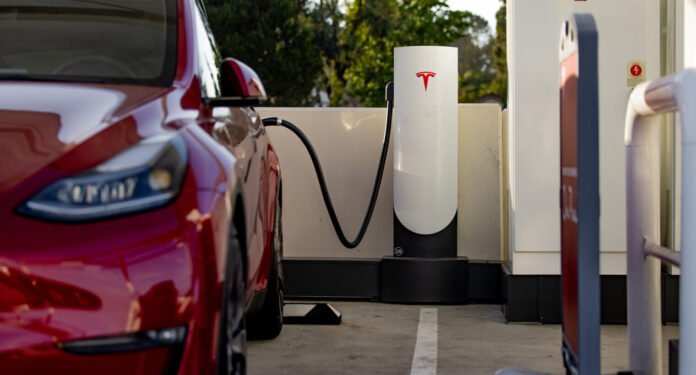
Charging a Tesla now costs up to seven times less than filling a gasoline car. This major price difference comes from the Runaki energy project, which offers fixed and affordable electricity rates.
Thanks to these rates, electric car users enjoy big savings. A Tesla charged from zero to full battery needs around 57 kilowatt-hours of electricity. If drivers choose slower, longer charging, they might need up to 75 kilowatt-hours.
Electricity under the Runaki project costs only 75 dinars per kilowatt-hour. This means a full charge usually costs about 4,140 dinars. With longer charging, the cost rises slightly to 5,900 dinars.
In return, the car drives between 300 and 400 kilometers on one charge. So, even a full battery only costs between 4,000 and 6,000 dinars. Compare that to a gasoline vehicle: filling a small fuel tank with subsidized fuel usually costs 30,000 to 35,000 dinars.
This shows a clear financial advantage. Electric vehicles are far cheaper to operate in Kurdistan cities. Drivers save money every time they charge.
As electricity becomes more reliable and prices stay low, switching to electric cars looks smarter than ever.