
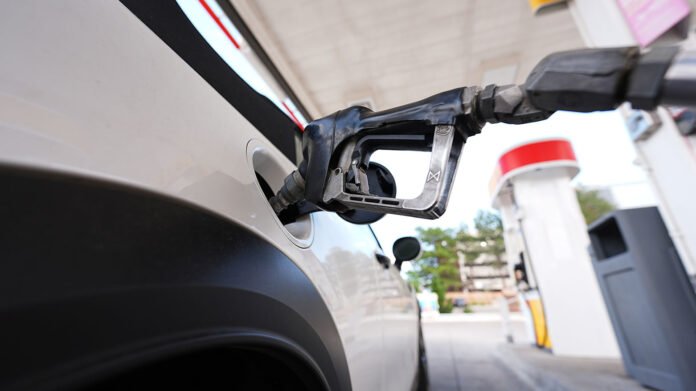
Officials expect commercial gasoline prices to fall across the Kurdistan Region next week. They predict retail fuel prices will drop below 1,000 Iraqi dinars per liter. The reduction will ease pressure on local drivers after recent supply shortages created heavy congestion at filling stations.
In recent days, motorists have queued for hours at government stations, which sell subsidized fuel at 750 dinars per liter. High commercial gasoline prices have pushed many consumers toward cheaper subsidized fuel options, creating long lines at these stations.
The expected price decline depends on market conditions. Lower commercial fuel prices will reduce pressure on subsidized stations and improve fuel availability across the region.
The Kurdistan Region faces rising energy demand due to rapid growth in vehicle ownership and tourism. Around 13,000 tourist vehicles enter Erbil every day, and these visitors consume approximately 750,000 liters of gasoline daily.
The entire region requires roughly six million liters of fuel each day. Therefore, maintaining highly stable energy supplies remains absolutely essential for local households, commercial businesses, and transport networks alike.
Production limitations have created the temporary fuel shortage. The government supplies 50,000 barrels of crude oil daily to local refineries, including the KAR and Lanaz facilities.
Workers at these refineries convert around 24 percent of crude oil into gasoline. Distributors then transport the fuel across Erbil, Sulaymaniyah, and Duhok. However, local refineries cannot currently produce enough fuel to meet public demand. Increasing crude oil allocations could help resolve the shortage.
High commercial fuel prices have also changed consumer behavior across the region. Many drivers now wait in long lines to purchase cheaper fuel. Station owners continue to store older, more expensive fuel supplies and must sell these stocks before lowering retail prices. Once they clear these inventories, companies will reduce commercial gasoline prices.
Local oil companies have restarted production, which will strengthen the wider energy market. Authorities have also simplified regulations for importing high-quality gasoline by removing previous licensing requirements. These measures will help increase fuel availability across the Kurdistan Region.