
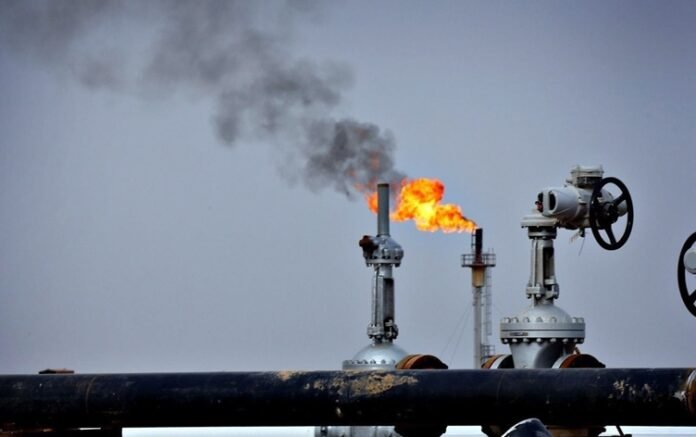
Erbil, Baghdad, and international oil companies have finalized a deal to restart Kurdish oil exports, ending an 18-month suspension that strained relations and finances. The agreement, signed on Monday, marks a turning point in Iraq’s oil policy.
According to informed sources, the four-page document lays out the terms for resuming exports from the Kurdistan Region. Under the deal, companies operating in the region will receive oil rather than cash for their financial entitlements. This measure ensures that firms secure reliable payments while easing pressure on Baghdad’s limited cash reserves.
Some firms signed the agreement online, signaling urgency to resume operations. Exports are expected to restart within days, sources confirmed.
Industry insiders explained that oil payments serve two purposes. First, they provide companies with guaranteed revenues, avoiding delays linked to Baghdad’s cash transfers. Second, they help Baghdad cope with its ongoing liquidity shortages. Payments in U.S. dollars often face delays, making crude a more practical and immediate option.
The value of crude allocated to companies will be calculated based on international prices at Turkey’s Ceyhan port, where Kurdish oil flows into global markets.
Kurdistan Region Prime Minister Masrour Barzani announced the breakthrough on Saturday. He expressed optimism that the deal would strengthen cooperation between Erbil and Baghdad while helping resolve long-standing financial disputes.
“This agreement can build trust and ensure the stability of revenues for all sides,” Barzani said in his statement.
The suspension of Kurdish oil exports in March 2023, following an international arbitration ruling, caused significant financial shortfalls in the Kurdistan Region. It also triggered months of salary delays and strained ties with Baghdad.
By resuming Kurdish oil exports, Iraq and the Kurdistan Regional Government (KRG) aim to secure fiscal stability, maintain production, and strengthen their partnership with international companies. Analysts note that the Baghdad–Erbil oil agreement could improve investor confidence and restore momentum to the country’s energy sector.
The deal highlights Iraq’s need for steady oil revenues, which make up more than 90% of state income. It also underscores the role of Kurdish oil in global markets and its importance to Iraq’s economic outlook.