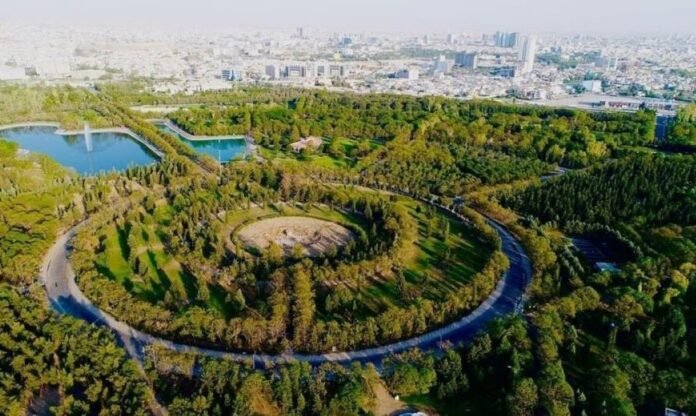
Erbil city has launched a large-scale green belt project, aiming to plant millions of trees around urban areas. The municipality confirmed that landowners whose properties fall within the project boundaries will be fairly compensated.
The green belt is part of the Kurdistan Regional Government’s strategic initiatives to increase green coverage, reduce dust and air pollution, and improve the city’s environment. Mayor Karzan Abdulhadi explained that the belt will stretch 85 kilometers with a two-kilometer width, covering roughly 13,000 hectares. Once completed, Hawler’s green coverage will rise to around 25%, nearly doubling the current level.
Landowners participating in the project will receive compensation based on their agricultural or building rights. Farmers with cultivation rights receive 3% of their land value, while owners with development rights receive 12%. This system ensures fair returns for all participants and encourages broad community involvement.
The project will also plant seven million pistachio and olive saplings and install 10 large water tanks for irrigation. Officials highlight multiple benefits: reducing 140–210 tons of carbon dioxide, improving air quality, cooling city temperatures, preventing desertification, enhancing public health and life quality, creating jobs for hundreds of residents, and boosting local agricultural production.
Mayor Abdulhadi encouraged local residents, particularly those with tree-covered properties, to take part in the project and benefit from its environmental and economic opportunities. The green belt represents a long-term commitment to a cleaner, healthier, and more sustainable Hawler.