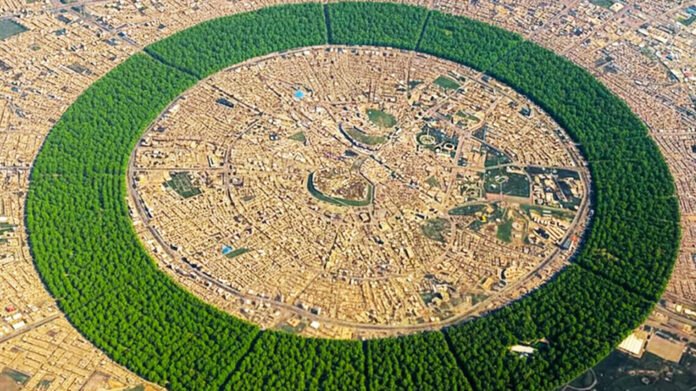
The Kurdistan Regional Government says the first phase of Erbil 78-kilometer Green Belt project is nearly complete. The project marks a major step for environmental protection and sustainable urban planning.
First, officials said the phase includes planting 700,000 saplings across 4,200 dunams around Erbil. The goal is to cut emissions, expand green spaces, and limit unplanned urban growth.
Moreover, the Green Belt supports wider efforts to improve sustainability in the Kurdistan Region. Officials say it will help improve air quality and protect biodiversity.
In addition, the project is expected to reduce desertification and lessen dust around the capital. Authorities also see it as a natural barrier that supports healthier city growth.
Furthermore, officials linked the project to broader climate and environmental reforms. They said the Green Belt is more than a beautification effort. It is part of long-term ecological infrastructure planning.
Meanwhile, the planting campaign is one of the region’s largest reforestation efforts in recent years. Officials say future phases will expand the project and increase its impact.
The initiative also helps manage urban expansion. The green boundary can protect farmland and support more organized development.
Additionally, officials say the project can help lower carbon emissions. Expanded green spaces may also improve living conditions for residents.
Observers view the first phase as an important milestone in Kurdistan’s sustainability agenda. The project gains importance as environmental challenges continue to grow.
Erbil’s Green Belt project combines reforestation, emissions reduction, and smarter planning. Officials see it as a major environmental achievement for the Kurdistan Region.