
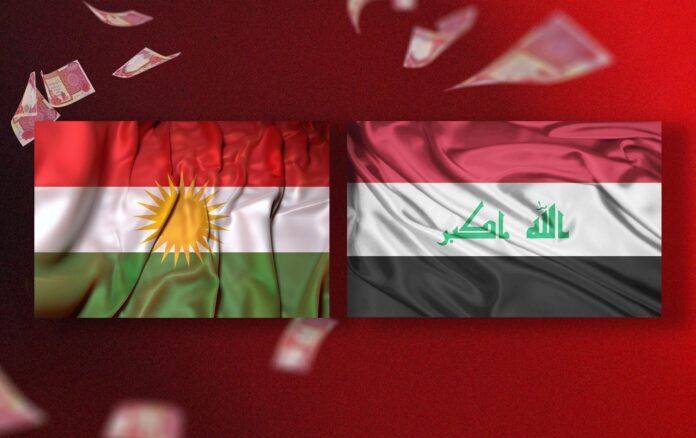
Iraq and the Kurdistan Regional Government (KRG) reached a new step in their financial talks. The KRG confirmed it will release salaries for July and August after transferring 120 billion dinars, about $91 million, in non-oil revenues to Baghdad. This transfer marked a crucial point in the ongoing financial cooperation between both sides.
KRG spokesperson Peshawa Hawrami announced that the funds have already reached Baghdad’s Finance Ministry account. He explained that the ministry will start paying July salaries first. After that, August salaries will follow. This sequence aims to prevent further delays in payments for public sector workers.
Earlier, the federal cabinet authorized the Finance Ministry to cover June wages only if Erbil sent non-oil revenues. Therefore, the new transfer by the KRG fulfilled that condition. It also signaled stronger cooperation in handling financial disputes.
In addition, Hawrami noted that an interim oil agreement still remains in place. This three-month deal allows both sides to work together until a new federal budget is finalized. However, future negotiations will decide how salaries for September and beyond are managed.
The Iraqi cabinet approved the July salary payment during its most recent session. Yet, the August and September wages remain pending until Baghdad and Erbil agree on additional transfers. This situation highlights the continuing challenge of balancing revenues and commitments.
Observers point out that revenue transfers play a key role in financial stability. Without them, workers in the Kurdistan Region face long salary delays. At the same time, Baghdad seeks guarantees that non-oil revenues flow into the federal system. The revenue deal has therefore become a test of trust.
Moreover, the agreement reflects wider political and economic ties between the two governments. Baghdad wants consistent transfers to ensure fairness in public spending across Iraq. Erbil, meanwhile, wants regular payments for its employees without unnecessary delays. The balance remains fragile, but the recent move shows progress.
The KRG emphasized its readiness to cooperate further. Officials stressed that honoring commitments creates stability for both sides. With revenue transfers continuing, public sector workers may see improved consistency in their salaries.
The revenue deal between Iraq and Kurdistan is not only about salaries. It also symbolizes a path toward more sustainable financial cooperation. Both governments still face unresolved issues, yet this progress builds a foundation for future agreements.