
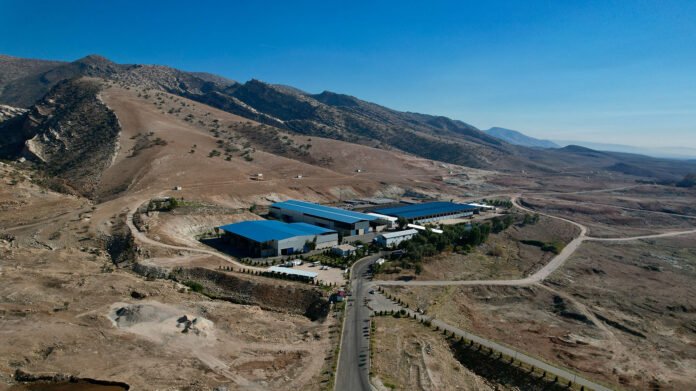
Kurdistan strengthens its sustainability goals and highlights major progress in Duhok’s waste management system. The province sorts nearly 600 tons of waste each day, and the plant operates around the clock to keep pace with rising demand. Moreover, officials push for faster development because they want a cleaner environment and a stronger circular economy.
Duhok’s waste team increases coordination with local authorities, and they outline a clear plan to localize plastic recycling. They aim to build a new facility within one year, and they emphasize the importance of regional production. Furthermore, engineers study advanced recycling models, and they design systems that reduce transportation needs and lower overall costs. These steps create momentum and encourage more investment in green industries.
Officials also meet with local companies, and they urge them to participate in new sustainability projects. They explain how recycling improves resource efficiency, and they highlight economic benefits for local workers. In addition, they encourage businesses to adopt cleaner production methods that reduce landfill pressure.
Communities across Duhok show growing interest in waste reduction, and residents support the province’s efforts. Municipal teams launch awareness programs, and they teach families how to sort plastic more effectively. These activities strengthen public engagement and create better results for the recycling chain.
The government also plans to expand storage areas for collected plastic, and leaders push for modern equipment that increases processing speed. These improvements help the province manage rising volumes and prepare for the upcoming recycling facility.
Overall, Duhok accelerates its environmental strategy, and the region moves closer to a fully localized recycling system that supports long-term sustainability and economic growth.