
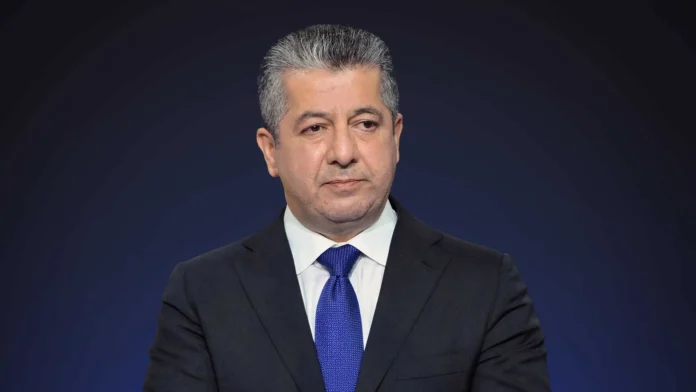
Kurdistan Region Prime Minister Masrour Barzani said Iranian drones targeted his private office in Erbil early Monday. He described the attack as a dangerous escalation and a direct threat to regional security.
Barzani said the Kurdistan Counter-Terrorism Directorate confirmed two sensitive locations came under attack. The targets included his private office and the residence of the Security and Intelligence Agency chief.
According to the directorate, two explosive-laden Hadid-110 drones attacked the facilities around 12:28 a.m. Monday. The drones reportedly crossed the Iranian border before reaching their targets in Pirmam district.
No casualties were reported after the attack, while authorities continued assessing possible property damage. However, the choice of targets immediately raised concerns about protecting senior political and security officials.
Barzani condemned the attacks as reckless and unacceptable, while stressing they would not disrupt government operations. Instead, he said the Kurdistan Regional Government would continue protecting residents and fulfilling its responsibilities.
The Kurdistan Counter-Terrorism Directorate condemned the incident and warned those responsible about its consequences. The agency said those behind the attack would bear full responsibility for their actions.
The incident occurred amid wider regional tensions involving drones, missiles, and cross-border military activity. Consequently, authorities face increasing pressure to strengthen protection around sensitive government and security facilities.
The attack came less than one week after coalition forces intercepted three explosive drones over Erbil. That incident had already intensified concerns about growing unmanned aerial threats across the Kurdistan Region.
Monday’s attack carries particular significance because the reported targets directly involved senior regional leadership. Rather than targeting an isolated military position, the drones struck politically and strategically important locations.
The reported use of Hadid-110 drones also raises questions about Erbil’s detection and interception capabilities. Therefore, security agencies may review surveillance systems, early-warning measures, and counter-drone defenses.
At the same time, continued attacks could affect perceptions of political stability and economic security. Erbil hosts government institutions, diplomatic missions, international organizations, and important commercial infrastructure.
Investigators are expected to examine the drones, flight paths, launch locations, and available surveillance information. Meanwhile, authorities may strengthen security measures around senior officials and strategic facilities.
Although Monday’s attack caused no reported casualties, its targets make the incident especially significant. The Kurdistan Regional Government now faces pressure to improve airspace security and prevent further attacks.