
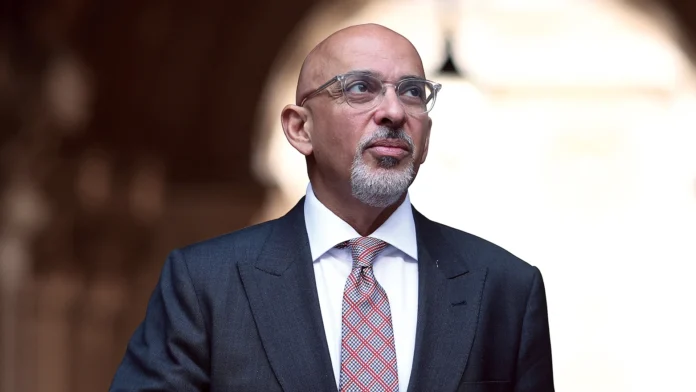
Former UK Chancellor Nadhim Zahawi praised the Kurdistan Region for its growing role as a regional hub. He emphasized the economic, technological, and energy progress in cities such as Erbil, Duhok, Zakho, and Sulaimani.
Zahawi, of Kurdish origin, expressed his enduring connection to the region and his ongoing support for its development. He highlighted the Kurdistan Region’s ability to attract tourists, investors, and businesses. He also mentioned potential future ties with Kurds in Turkey and Syria as stability returns to the region.
The former chancellor welcomed the UAE’s decision to appoint a special envoy for the Kurdistan Region, calling it an unprecedented and encouraging step. He noted UAE investments across energy, agriculture, and tourism, including its role as the main importer of Kurdish pomegranates. Zahawi stressed that ongoing collaboration will bring mutual benefits to the Kurdistan Region, Iraq, and the UAE.
Zahawi praised Prime Minister Masrour Barzani’s Runaki program, which expanded electricity access to over 4 million residents and more than 115,000 businesses. He said projects like Runaki set a model for the rest of Iraq. Zahawi also highlighted the importance of digitizing banks, advancing agriculture, and forming technology partnerships, especially in artificial intelligence.
He added that the Kurdistan Region is on track to provide 24-hour electricity within two years. Zahawi emphasized that political challenges have not stopped the KRG from delivering results. “A government with a clear vision invests in infrastructure, energy, renewables, agriculture, and tourism,” he said.
Zahawi described the UAE–Kurdistan Region partnership as a model for economic progress that can strengthen the entire region. He also praised the strong ties between the UK and the Kurdistan Region, noting decades of cooperation in security, development, and humanitarian initiatives.
The UK Consulate-General in Erbil, opened in 2011, plays a key role in enhancing diplomatic, economic, and cultural relations. Zahawi concluded that continued partnerships with international allies are essential for prosperity, stability, and job creation.