Political debate intensified across Kurdistan as election dynamics shifted rapidly and parties prepared for a competitive presidential race. Currently, eighty-one candidates seek the presidency, therefore political fragmentation raised serious concerns among Kurdish leaders.
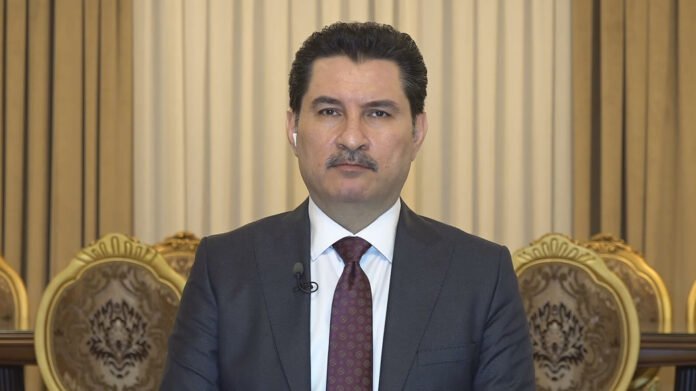
Shakhawan Abdullah addressed the situation with urgency and spoke as head of the KDP parliamentary faction. Moreover, he emphasized dialogue remains possible despite missed deadlines, however he stressed unity determines political influence.
According to Abdullah, Kurdish agreement shapes the final outcome, because without consensus other blocs will act decisively. Consequently, Shiite and Sunni forces could choose the president, thus Kurdish divisions risk long-term political losses.
Meanwhile, the KDP urged renewed negotiations among Kurdish parties and encouraged compromise and shared strategy. Additionally, leaders highlighted collective decision-making, since unity strengthens negotiating power.
Furthermore, Abdullah warned about repeating past political mistakes and recalled moments when division weakened Kurdish influence. As a result, he called for immediate coordination and urged leaders to prioritize national interests.
At the same time, rival parties continued separate discussions, therefore uncertainty increased within the political landscape. Nevertheless, Abdullah expressed cautious optimism and believed dialogue still offers solutions.
Moreover, public opinion favored Kurdish unity, as citizens expressed frustration with fragmentation. Therefore, pressure mounted on leaders to compromise during this decisive phase. Ultimately, Kurdish leaders now face a defining political choice.