
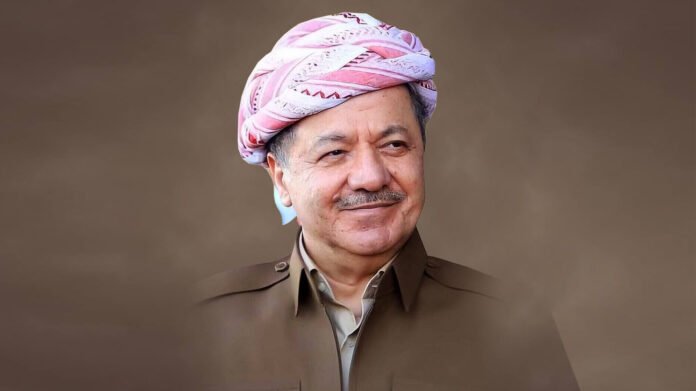
President Masoud Barzani celebrated the 62nd anniversary of the Voice of Kurdistan Radio on Saturday. In his message, he honored the station’s founders, staff, and its historic role in the Kurdish revolution.
Barzani called the radio a vital instrument that carried the voice of the Peshmerga and promoted the just cause of the Kurdish people. He urged journalists to continue upholding the station’s national, patriotic, and democratic values.
Founded in 1963, the Voice of Kurdistan Radio began broadcasting updates from the Eylul Revolution. Operating from the remote Sardeman cave in Shinawa, Erbil province, the station became the first Kurdish-run media outlet in Iraq. It countered state propaganda, boosted Peshmerga morale, and spread news of the Kurdish struggle.
The station also embraced Kurdistan’s diverse communities. Initially broadcasting in Kurdish and Arabic, it introduced an Assyrian-language segment in 1968. This inclusion was influenced by Franso Hariri, an Assyrian intellectual who helped recruit writers and hosts. By 1974, the Assyrian segment expanded to an hour of daily programming, reaching audiences across Iraq and neighboring countries.
President Barzani highlighted the radio’s enduring legacy. He praised the sacrifices of the pioneers who ensured its message was heard, linking their efforts to the station’s continued influence today. The radio’s approach inspired later developments in Kurdish media, including Kurdistan Television and Assyrian-language programming led by Rebwar Yalda in 1992.
Today, the historic Sardeman cave is being preserved by the ‘Generation of Eylul Revolution’ organization. Efforts include building roads, providing electricity, and planting trees to make the site accessible to future generations.
Barzani emphasized that the radio’s mission remains the same: to deliver a free, revolutionary, and democratic voice. He encouraged current journalists to maintain honesty, national pride, and respect for Kurdistan’s diverse communities.
The Voice of Kurdistan Radio remains a powerful symbol of Kurdish resilience. From its beginnings in a mountain cave to its ongoing role in modern media, it represents the enduring impact of free and independent journalism in serving the nation.