
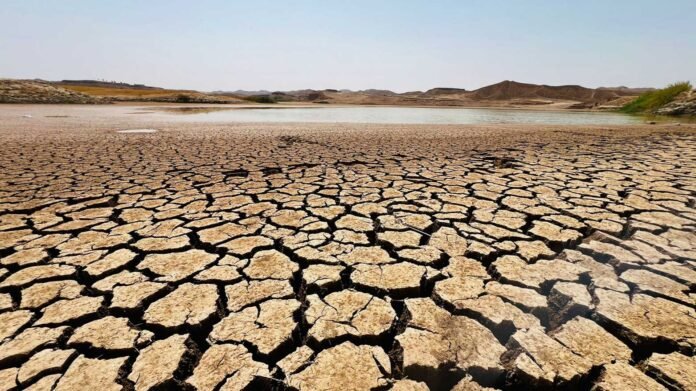
Kirkuk’s Qader Karam Dam is nearing complete dryness as a severe drought grips the region. The crisis is rapidly escalating, leaving behind serious consequences for residents, farmers, herders, and local wildlife.
This year, water levels in the dam have dropped by almost six meters. What once held 1.4 million cubic meters of water has now become cracked, dry earth. Springs and wells around the area have also run dry, forcing livestock herders to leave in search of water and grazing land.
The once-fertile fields have turned into barren, lifeless soil. Farmers in the region are suffering heavy losses as crops fail and irrigation systems collapse.
Local officials are sounding the alarm. Nazem Ali, a member of the Qader Karam Municipal Council, stated that water availability for residents has sharply declined. He added that many families now struggle to meet daily needs.
Wildlife is vanishing, too. Large numbers of fish have died, and birds that once relied on the dam have disappeared. Residents like Hardi Tayeb believe the disaster is more than a water crisis—it’s damaging the entire ecosystem.
Locals are now urging authorities to remove silt from the dam and prepare for the next rainy season. Without urgent action, they fear the damage will become irreversible.
This crisis highlights the need for strong regional plans to manage water, fight drought, and protect essential infrastructure.