
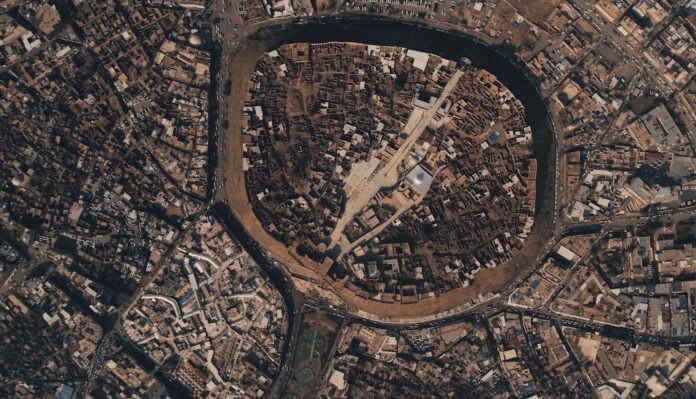
Erbil has launched a major restoration of its historic Qashla and Arab quarters, aiming to preserve the city’s cultural identity and architectural heritage. The project, led by the Kurdistan Regional Government (KRG), will renovate 30 traditional homes to transform the area into a vibrant cultural hub.
These neighborhoods, located in the heart of Erbil, reflect the city’s long history of coexistence among Kurds, Arabs, Turkmen, Muslims, and Christians. Over the centuries, the Qashla and Arab quarters became symbols of unity, but years of neglect left them deteriorated. Now, the Erbil restoration project seeks to revive this legacy while modernizing the district.
Project supervisor Masoud Karash said the restoration will connect Sultan Muzaffar Street to Batha Street, keeping the original architectural style intact. The renewed area will include traditional cafés, libraries, and guesthouses, all designed to celebrate Erbil’s past.
Architectural plans show narrow lanes converted into pedestrian paths, complemented by green spaces and rest areas. Residents, like Sami Saeed Ghani, welcome the project with pride, calling it a “living testament to our heritage.” Former elder Karim Sheikh Ali recalled that the quarter once housed 36 Christian families and hopes it will become a cultural center again.
Part of Erbil’s broader cultural preservation efforts, the project supports the city’s UNESCO-listed Citadel area. The Erbil restoration project is not just about rebuilding—it’s about reviving a shared identity. Once completed, it will boost tourism and restore the ancient city’s heartbeat.