
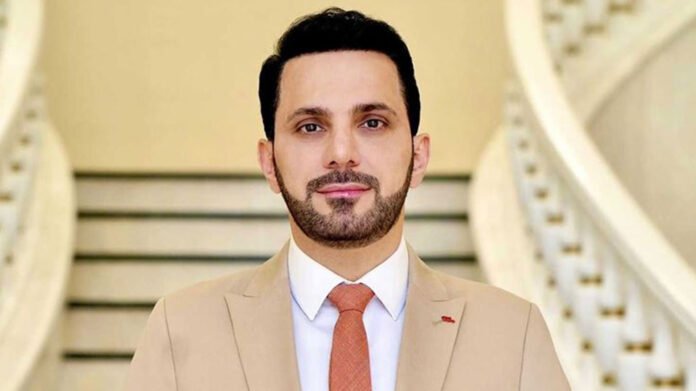
Political developments in Kurdistan shifted after authorities granted conditional release to Shaswar Abdulwahid. He leads the New Generation Movement and remains a key opposition figure. His release followed six months of detention and extended legal proceedings.
Initially, security forces detained Abdulwahid over accusations linked to communication law violations. Subsequently, courts reviewed several complaints filed against him. Meanwhile, his legal team challenged the detention through legal channels.
Eventually, judicial authorities approved his release on bail. However, courts kept multiple cases open. Instead, judges scheduled further hearings. Therefore, Abdulwahid still faces upcoming legal sessions.
Moreover, his detention triggered strong political reactions across Kurdistan. Opposition parties criticized the arrest and questioned judicial neutrality. At the same time, rights organizations monitored the case closely.
Furthermore, political analysts described the case as a major test for political freedoms. They argued that lengthy detention weakened public trust. Consequently, debate intensified among political groups and civil society.
After his release, supporters gathered to show solidarity. They viewed the decision as progress. However, they continued to demand full dismissal of remaining charges.
In addition, party officials reaffirmed commitment to peaceful political participation. They urged authorities to respect democratic values. They also called for transparency in legal processes.
Meanwhile, government representatives defended the court proceedings. They insisted that judges acted under existing laws. They denied any political interference.
Nevertheless, observers highlighted broader political consequences. They pointed to rising tension between opposition movements and governing institutions. As a result, many expect ongoing political debate.
Furthermore, Abdulwahid’s release could influence future political dynamics. Analysts believe the case may affect public opinion. Therefore, political actors continue to watch developments closely.
At the same time, rights advocates renewed calls for legal reform. They demanded stronger protections for political expression. They also urged limits on extended pretrial detention.
In conclusion, the conditional release marks a notable political moment in Kurdistan. However, unresolved cases keep uncertainty alive. Consequently, the situation remains under close observation.