
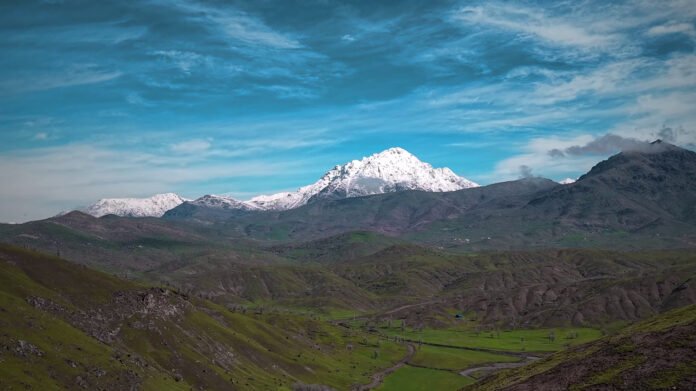
ERBIL, Kurdistan Region – As spring unfolds across the Zagros Mountains, landscapes in Barzan and Sherwan come alive with renewed energy, blending nature, memory, and cultural identity.
Each year, local communities welcome the season not only with celebration but also with responsibility. They revive forests, protect wildlife, and pass down traditions rooted in respect for the land.
Moreover, Barzan holds a special place in Kurdistan’s environmental history. For generations, its people have safeguarded surrounding forests, creating what many describe as natural sanctuaries.
In addition, community-led efforts have helped preserve biodiversity in the region. Locals actively prevent illegal hunting and logging, ensuring that wildlife continues to thrive.
Furthermore, Sherwan reflects a similar commitment. Residents work to maintain green spaces and restore damaged areas, especially after years of environmental strain.
At the same time, these efforts are deeply tied to memory and identity. The relationship between people and nature in these مناطق extends beyond conservation—it reflects a historical legacy of coexistence.
Notably, this tradition dates back nearly a century. It has endured through conflict, displacement, and political change, yet remains a defining feature of local life.
Meanwhile, spring amplifies these connections. Blooming landscapes and flowing المياه symbolize renewal, resilience, and continuity.
Therefore, the Zagros Mountains are more than a geographic feature. They represent a living archive of Kurdish heritage, where ecology and history intersect.
Barzan and Sherwan stand as examples of sustainable stewardship. Their communities continue to protect nature while honoring a legacy that binds environment, culture, and collective memory.