
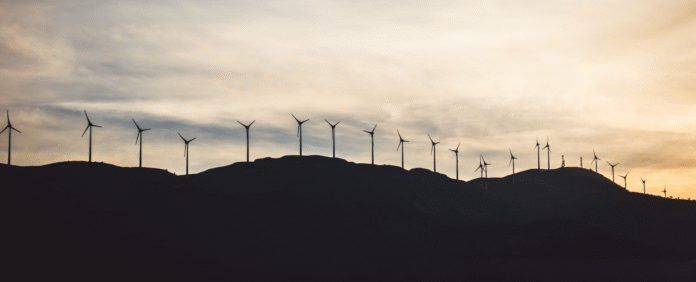
The Kurdistan wind energy potential is gaining serious traction as the Region seeks new energy solutions and greater economic resilience. Amid a growing population and ongoing power shortages, wind energy is emerging as a critical opportunity.
Importantly, Kurdistan’s geography gives it a clear edge. In areas such as Soran, Zakho, and Sulaymaniyah, wind speeds exceed 7.2 meters per second, ideal conditions for large turbines and commercial wind farms.
Moreover, vast stretches of underused land allow for wind energy development without disrupting dense population centers or harming critical ecosystems.
Although initial investment in turbines and grid infrastructure is high, long-term operating costs are relatively low. In the long run, wind farms provide stable, affordable electricity for decades.
For context, Kurdistan generated only 2,700 megawatts of electricity, despite having a total capacity close to 7,000 megawatts. Wind energy, therefore, offers a realistic solution to bridge the gap and reduce dependence on diesel generators and imported fuel.
Beyond electricity, the Kurdistan wind energy potential can also drive job creation. Wind projects require technicians, engineers, and logistics experts, contributing to economic diversification and local skill development.
Additionally, the growth of renewable energy opens doors to foreign investment. International companies bring in valuable technology, training programs, and capital, enhancing development in logistics, operations, and education.
However, significant challenges remain. Transporting turbine blades, many over 85 meters long, is complex. Kurdistan’s landlocked position and narrow roads pose major logistical constraints.
Furthermore, there is a shortage of local professionals trained in wind energy. To address this, international partnerships and dedicated training programs will be essential for building workforce capacity.
On top of that, security risks in certain border areas and the lack of a comprehensive regulatory framework may discourage investors. To unlock full potential, the KRG must implement stable energy policies, legal protections, and incentives for investment.
Looking ahead, necessary steps include detailed wind mapping, environmental assessments, and infrastructure planning. Grid expansion and improved road access must align with Kurdistan’s broader energy and development goals.