
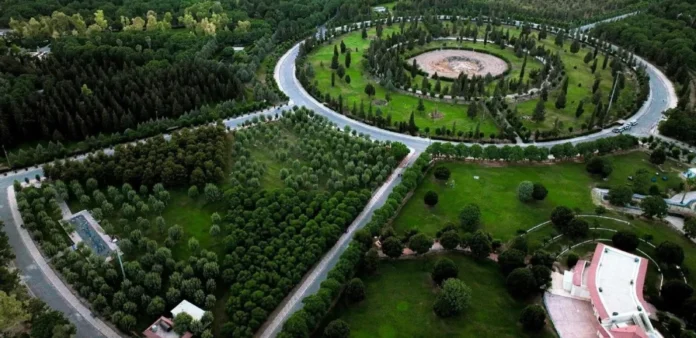
The Kurdistan Regional Government (KRG) has officially begun implementing the Erbil Green Belt Project, a major initiative designed to improve the city’s environment while creating hundreds of job opportunities. The project marks a key step in the KRG’s strategic efforts to increase green coverage and reduce pollution in the region.
According to the KRG Media and Information Office, the Green Belt will be developed along a 150-meter-wide corridor around Erbil. Once completed, it will feature seven million fruit-bearing trees, including pistachios and olives. The project will also include the construction of ten large irrigation ponds to support tree growth and sustainability.
Officials emphasized that the project is more than just planting trees. It is designed to deliver multiple environmental and social benefits. By absorbing carbon dioxide, the Green Belt is expected to reduce 140 to 210 tons of CO2 emissions annually, directly improving air quality. The increase in green coverage will help moderate temperatures in the city and combat desertification, creating a healthier environment for residents.
“The Erbil Green Belt will not only beautify the city but also enhance air quality, public health, and overall quality of life,” said a KRG spokesperson.
The initiative is also expected to create hundreds of jobs, supporting local employment and providing opportunities in planting, irrigation, and maintenance. In addition, the project aims to boost domestic agricultural production, thanks to the extensive cultivation of fruit-bearing trees.
Strategically, the Green Belt aligns with the KRG’s broader environmental vision. It represents a practical approach to addressing urban pollution while supporting sustainable development and economic growth. Experts say the project sets a strong example in Iraq of combining environmental action with social and economic benefits.
The Erbil Green Belt is part of a larger effort by the KRG to make the region greener, healthier, and more resilient to climate challenges. As work progresses, the project is expected to have a measurable impact on Erbil’s livability and position the city as a leader in environmental protection in Iraq.