
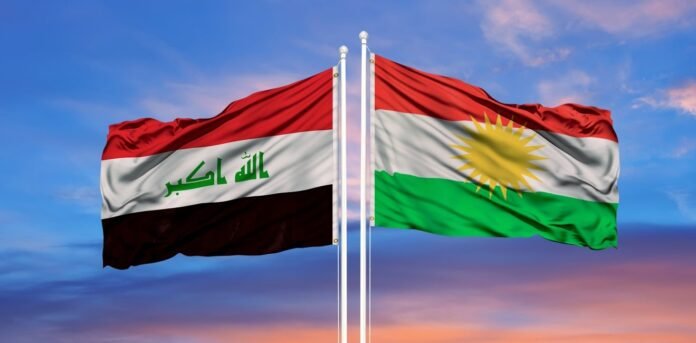
Kurdistan transferred 120 billion Iraqi dinars in oil revenues to Baghdad’s Ministry of Finance to support public sector salaries. This financial move coincides with U.S. Energy Secretary Chris Wright commending a major Kurdistan energy deal with American companies. The dual developments highlight Iraq’s growing role in international energy markets.
The Kurdistan Regional Government (KRG) confirmed that July’s non-oil revenues, totaling 120 billion dinars, reached the federal ministry’s account at the Central Bank branch in Erbil. Officials stressed that the transfer ensures timely salary payments for public employees and reflects Erbil’s commitment to constitutional obligations. KRG spokesperson Peshawa Hawramani emphasized that the rights of the people of Kurdistan remain protected and that Baghdad’s advisory notes on oil revenue transfers do not override the Region’s legal entitlements.
Meanwhile, in Washington, U.S. Energy Secretary Chris Wright praised Kurdistan’s energy sector and the $110 billion agreement with U.S. firms. Wright highlighted Kurdistan’s significant oil and gas reserves and described the partnership as mutually beneficial. He said the deal strengthens energy markets globally while providing opportunities for Kurdistan and American companies alike. Wright contrasted this approach with Europe’s energy policies, which he criticized for increasing costs and reliance on Russian supplies.
The KRG also reported oil production of 234,000 barrels per day. Exports are set to resume within 48 hours under a trilateral agreement between Erbil, Baghdad, and international oil companies. Hawramani described the framework as a major step forward, asserting that Kurdistan aims to resolve disputes in accordance with the constitution.
For the KRG, combining revenue transfers with stronger U.S. partnerships demonstrates economic foresight and political balance. It reinforces that Kurdistan remains a fully equal partner within Iraq’s federal system.