
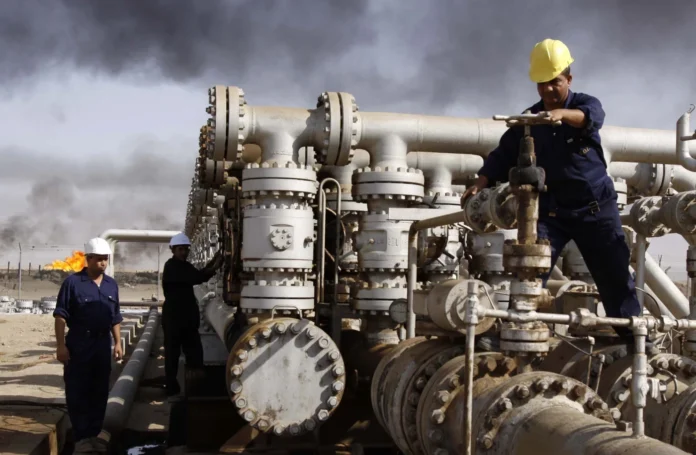
Kurdistan crude exports continue to move steadily to international buyers. Current shipments average 190,000 barrels per day through Turkey’s Ceyhan port. A source from the North Oil Company confirmed that pumping and storage operations face no disruptions.
The source explained that strong coordination between Baghdad and Erbil keeps exports on track. Officials from both sides manage schedules carefully to ensure smooth flows. With no technical or logistical challenges reported, Iraq Kurdistan crude is reaching world markets without interruption.
Exports resumed recently after being suspended for more than two years. The halt had strained relations between the federal government and the Kurdistan Region. However, lengthy negotiations between Iraq’s Oil Ministry, the Kurdish Ministry of Natural Resources, and international firms led to a breakthrough.
Talks concluded with a tripartite agreement that reshaped the management of exports. Under the deal, the State Oil Marketing Organization (SOMO) now oversees all shipments of Iraq Kurdistan crude through Ceyhan. This arrangement restored confidence among international partners and reassured buyers of reliable supply.
Analysts say the resumption of exports is crucial for both Baghdad and Erbil. For Iraq, it secures vital revenues and supports fiscal stability. For the Kurdistan Region, it unlocks a key economic lifeline and strengthens its role in global energy markets.
The uninterrupted flow also signals improved cooperation between the two governments. Energy observers note that past disputes often centered on revenue sharing and control of pipelines. The new framework could reduce tensions and foster stronger long-term ties.
Furthermore, the steady supply of Iraq Kurdistan crude helps global oil markets remain balanced. At a time of fluctuating prices and uncertain demand, consistent exports provide stability. Traders and energy firms now monitor the situation closely, hoping this agreement holds.
In the coming months, officials aim to increase export volumes as infrastructure improves. Market watchers believe that if Baghdad and Erbil maintain cooperation, Iraq Kurdistan crude could again become a major source of international supply.