
Erbil, Kurdistan Region – The Kurdistan Regional Government announced a major reduction in harmful emissions through its “Runaki” energy project. Officials confirmed that the initiative cuts around 690,000 tons of toxic gases each year.
The government launched the Runaki project to modernize the electricity sector and reduce reliance on private generators. As a result, cleaner energy sources now replace older, more polluting systems. Moreover, officials stated that this shift plays a key role in improving air quality across the region.
In addition, authorities linked the reduction in emissions to the expansion of 24-hour electricity services. Continuous power supply has reduced the need for diesel generators. Therefore, fewer pollutants enter the atmosphere.
Officials also highlighted broader environmental efforts tied to the project. The government continues to expand clean energy programs across multiple sectors. Furthermore, it invests in renewable solutions to ensure long-term sustainability.
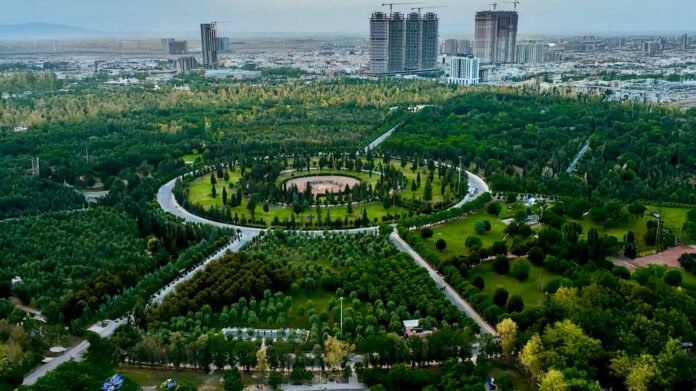
Reforestation efforts form another key part of the environmental strategy. Authorities have launched tree-planting campaigns in various. These programs aim to restore green spaces and absorb carbon emissions. As a result, they contribute to improving environmental balance.
Water security initiatives also support sustainability goals. The government works to protect water resources and improve management systems. Additionally, officials focus on reducing waste and preserving natural supplies.
Recycling programs have also expanded in recent years. Authorities encourage communities to reduce waste and reuse materials. Consequently, these efforts help limit environmental damage and support cleaner environment.
Officials emphasized that environmental protection remains a long-term priority. They noted that reducing emissions supports public health and economic stability. Moreover, cleaner environments attract investment and improve quality of life.
The government plans to continue expanding these initiatives. Officials expect further reductions in emissions as projects grow. Therefore, they aim to build a more sustainable future for the Kurdistan Region.
Observers described the progress as a significant step toward environmental reform. They highlighted the importance of coordinated policies and long-term planning.
Authorities concluded by reaffirming their commitment to sustainability. They stressed that protecting the environment remains essential for future generations.