
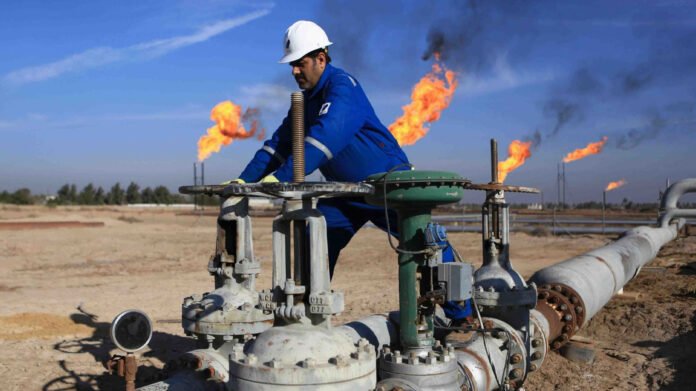
Oil exports from the Kurdistan Region resumed after more than two years, providing a major boost to Iraq, Turkey, and Europe’s energy security. The move follows a tripartite agreement between the Kurdistan Regional Government (KRG), Iraq’s federal government, and international oil companies.
The first shipment left via the Iraq–Turkey pipeline at 190,000 barrels per day (bpd) for global markets. Officials said exports will soon rise to 230,000 bpd, with an additional 50,000 bpd reserved for local consumption.
Energy experts say the resumption strengthens Turkey’s and Europe’s energy security while revitalizing Iraq’s economy. The 900-kilometer Iraq–Turkey pipeline to Ceyhan port offers a secure and cost-effective alternative to shipping oil from Basra.
“This agreement strengthens energy security in Turkey and Europe,” said Turkish academic Ali Oguz Dirioz. “It also generates revenue, supports industrial growth, and boosts prosperity in the Kurdistan Region.”
The financial impact is significant. Analysts estimate $400–500 million per month for Iraq’s federal budget. International oil companies will receive $16 per barrel to cover production and transport, and revenues will flow through the U.S. Federal Reserve System for transparency.
Experts note the pipeline can handle larger volumes. If Kirkuk crude joins, exports could reach 700,000–800,000 bpd, according to Oguzhan Akyener of TESPAM.
The resumption also reflects stronger cooperation between Baghdad, Erbil, and Ankara. The new agreement resolves the 2023 arbitration dispute and reinforces Iraq’s role as a reliable energy supplier.