
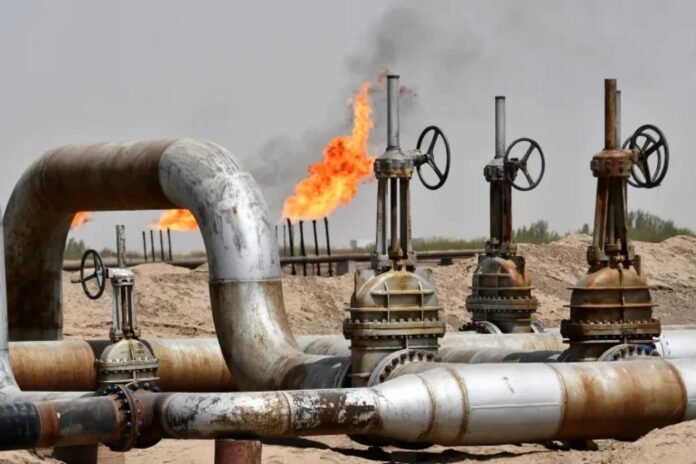
The Kurdistan Region has extended its oil export agreement with Baghdad until March 31, 2026, amid ongoing delays in approving the federal budget. The move aims to ensure continued oil exports and financial stability during a period of political and fiscal uncertainty.
Officials confirmed that the Kurdistan oil deal extension allows exports to continue under existing arrangements while negotiations over broader financial disputes remain unresolved. The agreement provides temporary clarity for the energy sector and helps prevent disruptions to production and revenue flows.
Meanwhile, the Kurdistan Regional Government has reported significant progress in expanding electricity services across the region. Acting Minister of Natural Resources Kamal Mohammed said more than 1.2 million subscribers now receive twenty-four-hour electricity under the Runaki project. The initiative seeks to reduce reliance on private generators and improve service reliability.
According to the minister, the expansion reflects sustained investment in power infrastructure despite budgetary constraints. He noted that additional areas will join the program in the coming months as technical upgrades continue. The government views uninterrupted electricity as a key component of economic stability and public welfare.
Furthermore, officials emphasized that energy reforms remain a priority while talks with Baghdad continue. They stressed that the Kurdistan oil deal extension supports both export continuity and domestic energy planning.
The Kurdistan Region has faced repeated delays in budget transfers, which have affected salaries and public services. However, authorities say ongoing energy projects demonstrate a commitment to long-term development despite financial pressures.
The extension of the oil agreement and the expansion of round-the-clock electricity coverage highlight parallel efforts to stabilize revenues and improve essential services during a challenging period.