
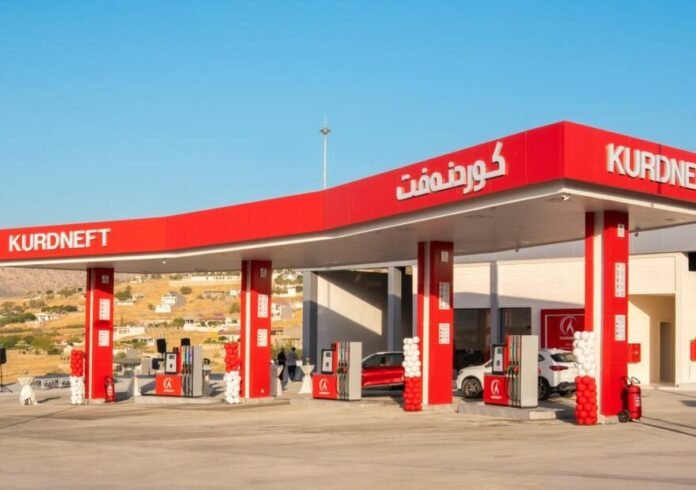
Erbil, Kurdistan Region – Fuel prices have increased across the Kurdistan Region despite the ongoing ceasefire and reduced military tensions. Markets have not seen any positive impact from the calmer security situation.
In recent days, the price of commercial gasoline rose by nearly 100 dinars per liter. However, prices have fluctuated as supply conditions continue to change. This instability has created concern among consumers and businesses.
A key factor behind the increase relates to limited domestic production. Local refineries supply part of the demand, but they cannot meet market needs. Therefore, authorities and traders rely heavily on imported fuel, especially premium types.
Following recent regional tensions, fuel imports slowed down significantly. In some cases, imports stopped completely. As a result, supply shortages placed strong pressure on prices across the region.
Jangi Majid, head of the fuel station association in Erbil, stated that many oil companies reduced operations. He explained that refineries cannot produce enough fuel under current conditions. Consequently, supply dropped while demand remained steady.
He also provided details on current prices. Refineries sell regular gasoline to stations at 850 dinars per liter. Stations then sell it to consumers at around 890 dinars. However, higher-quality fuel sells at 930 to 940 dinars per liter.
Another factor behind rising prices involves subsidized fuel shortages. Previously, around 25 stations in Erbil distributed fuel at a supported price of 750 dinars. Now, only 14 to 15 stations provide that option. Therefore, fewer affordable choices remain available for residents.
Price increases have also affected other provinces. In Sulaymaniyah and Duhok, some stations sell regular gasoline for up to 975 dinars per liter. This rise reflects broader supply challenges across the region.
Officials also pointed to disruptions in imports from Iran. Fuel deliveries have stopped for nearly 50 days. Additionally, materials required for refining premium gasoline have not arrived. This situation has further reduced supply and driven prices higher.
Experts warned that continued supply disruptions could extend the crisis. They emphasized the need for stable import channels and increased domestic production. Authorities continue to monitor the market and explore solutions to stabilize fuel prices.