
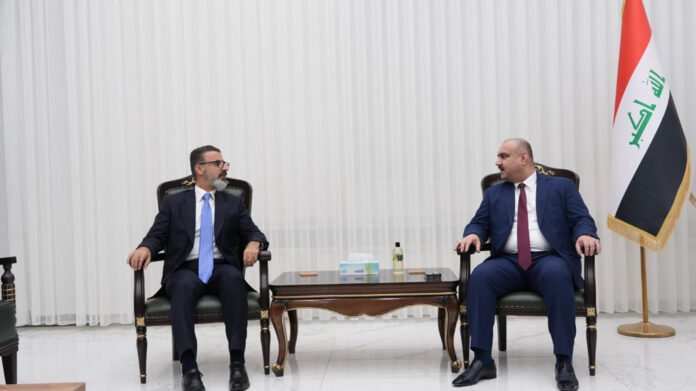
The new governor of Kirkuk has reduced the powers of his deputy just days after assuming office, transferring oversight of key departments back to the governor’s office.
First, the decision shifts control of the Property and Citizen Affairs departments directly under the governor’s authority. Officials described the move as an administrative change within the local government structure.
Moreover, the decision comes only days after the new governor took office, drawing attention to early changes in the administration’s internal management approach.
In addition, the transfer of authority affects departments linked to property matters and citizen services. These areas are considered important parts of provincial administration.
Furthermore, the move has sparked discussion over its political and administrative implications. Observers say early changes in powers can shape how the new administration operates.
Meanwhile, supporters may view the step as an effort to centralize decision-making during the governor’s first days in office. Others see it as a politically significant signal.
The change also highlights continuing sensitivities surrounding governance arrangements in Kirkuk. Power-sharing and administrative authority often remain closely watched issues.
Additionally, analysts say the decision could influence relations within the provincial leadership, especially as the new administration begins setting priorities.
Observers note that early administrative decisions often offer clues about a governor’s governing style and broader political direction.
The New Kirkuk Governor move to reduce his deputy’s powers marks an early and notable shift in Kirkuk’s provincial administration, with potential political and governance implications.