
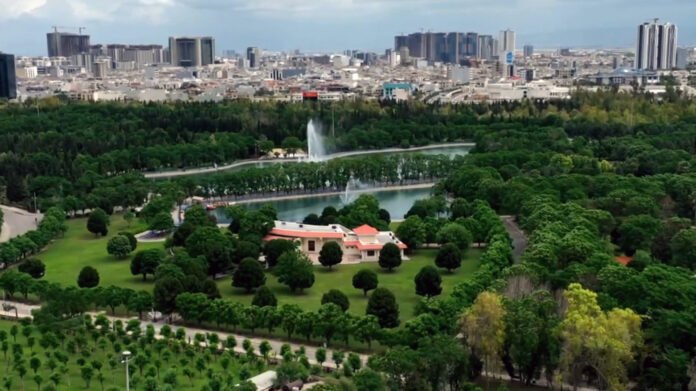
The Kurdistan Region has launched one of the Middle East’s most ambitious urban climate programs, alongside a 100 billion dinar substation project set to deliver national grid electricity to the agricultural plains of Shamamk.
First, officials said the climate initiative forms part of wider efforts to strengthen sustainable development and modernize public infrastructure across the Kurdistan Region. Moreover, the new substation project aims to improve electricity access in Shamamk’s agricultural areas. Authorities say the project will support both farming activity and long-term development.
In addition, the 100 billion dinar investment reflects growing government focus on combining climate resilience with infrastructure expansion. Furthermore, officials said the program includes environmental planning, cleaner energy solutions, and measures to support urban sustainability.
The Shamamk substation also aims to strengthen the national grid and improve service stability for surrounding communities. Authorities say reliable electricity is essential for agricultural productivity. Meanwhile, the project aligns with broader efforts to reduce emissions and support climate adaptation through strategic public investment.
Officials also described the initiative as part of a long-term vision to link environmental policy with economic growth and resource security. Observers view the combined climate and energy projects as a significant step in expanding green development and strengthening critical infrastructure.
The launch of the urban climate program and the Shamamk power project marks a major move to advance sustainability, energy security, and agricultural support in the Kurdistan Region.