
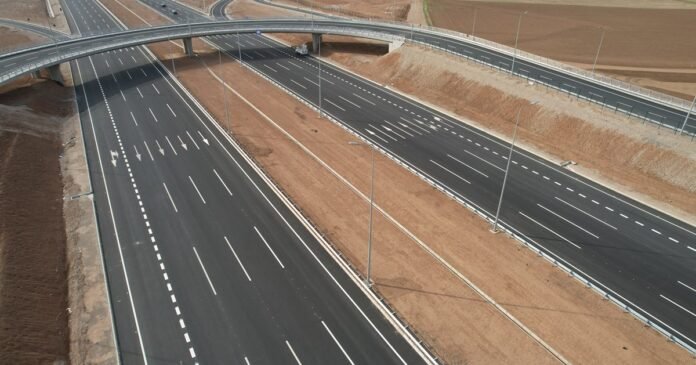
Kurdistan continues expanding its transportation network through major infrastructure projects. As a result, authorities have completed hundreds of projects that support economic growth and improve connectivity between cities, towns, and villages. Furthermore, officials continue investing in strategic projects that strengthen the region’s transportation system.
Recent figures show that authorities completed 810 projects across different sectors. Moreover, these projects required investments exceeding one trillion dinars. Consequently, the region has witnessed significant improvements in road infrastructure and transportation services.
The road network received a large share of these investments. Authorities constructed new roads and upgraded existing routes across Kurdistan. In total, projects covered more than 3,000 kilometers of roads. Therefore, residents and businesses now enjoy better transportation links.
Officials also continue work on major strategic initiatives. Currently, 227 strategic projects remain under implementation. Furthermore, these projects extend across more than 2,200 kilometers. The government allocated more than four trillion dinars to support these developments.
Road development remains a key priority for infrastructure planners. Moreover, officials aim to connect communities more efficiently and improve access to economic centers. As a result, transportation networks continue expanding across different parts of Kurdistan.
Authorities also introduced several measures to improve traffic safety. They completed road marking projects across thousands of kilometers. In addition, teams installed more than 19,000 traffic signs. Therefore, drivers can navigate roads more safely and efficiently.
Safety improvements did not stop there. Authorities also installed dozens of kilometers of guardrails along major roads. Furthermore, they constructed 59 pedestrian bridges. Consequently, these projects enhanced protection for both drivers and pedestrians.
The government funds these projects through several financial channels. First, authorities allocate resources through investment budgets. Second, they use regular transportation budgets. Third, they dedicate a portion of revenue from weigh stations to road projects. Therefore, infrastructure projects receive continuous financial support.
Road development has played an important role in connecting urban and rural areas. Furthermore, improved roads help residents reach services, markets, and workplaces more easily. As a result, transportation upgrades contribute to broader economic activity.
Strategic projects completed through investment programs have delivered major benefits. Authorities completed more than 100 important projects under this framework. Moreover, these projects strengthened links between cities, districts, and villages throughout Kurdistan.
Economic experts believe infrastructure improvements support long-term growth. In addition, better transportation networks can encourage investment and commercial activity. Consequently, many businesses benefit from faster and more reliable transportation routes.
Officials also expect ongoing projects to create additional opportunities. Furthermore, modern road networks can reduce travel times and improve regional mobility. This road development strategy supports both economic expansion and public services.
As construction continues, authorities plan to complete more strategic projects. Moreover, they aim to improve transportation standards across the region. Therefore, Kurdistan’s infrastructure sector remains one of the key drivers of development.
The continued focus on road development reflects broader efforts to modernize public infrastructure. In addition, these projects create stronger connections between communities and support future growth. Consequently, transportation remains a central pillar of Kurdistan’s development plans.