
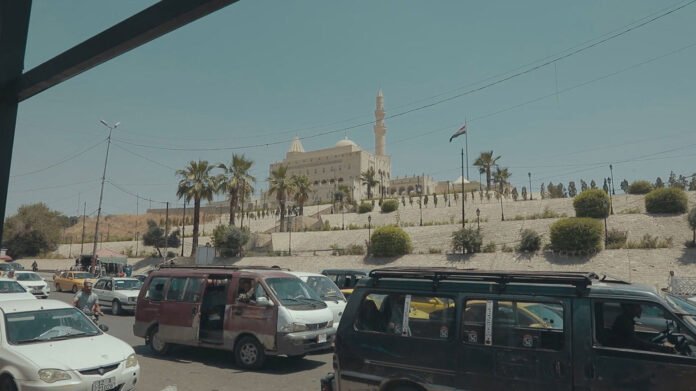
Diverse local communities in Mosul frequently discuss the future of their shared historic city. Today, Arab citizens openly encourage exiled Kurdish families to return to their original homes. These families originally left the area over the last two decades. They fled due to ongoing conflicts. Local residents strongly believe that a single ethnic group should never define the entire identity of Mosul.
This heartfelt public appeal clearly represents something much deeper than simple neighborhood nostalgia. Locals recognize a vital truth. Complete urban recovery requires the restoration of older social relationships. Therefore, people must rebuild communal bonds. They must do this alongside physical houses, local businesses, and government institutions.
The demographic transformation of the city occurred gradually after the regional conflicts of 2003. Consequently, a very large percentage of the Kurdish population relocated. Most families moved to the nearby Kurdistan Region. Official population statistics indicate a massive shift. Roughly half of the Kurdish residents left during this specific period. Today, Kurds account for only an estimated seven to nine percent of the total population.
This massive population shift severely altered daily social life within the local neighborhoods. Kurdish business owners note a major change. Once-vibrant areas now contain only a tiny fraction of their former residents. They highly value the presence of longtime neighbors. This diversity makes the entire city much richer.
Arab merchants in the historic bazaar eagerly echo these welcoming sentiments. They state that Mosul belongs equally to Arabs, Kurds, Turkmen, and the Shabak community. Many displaced families previously settled in regional towns like Duhok, Erbil, Kalak, and Bardarash. Their sudden departure permanently changed the daily rhythm of traditional neighborhood life.
Historically, this important Iraqi city developed through the constant interaction of diverse groups. Different religious and ethnic groups lived together. Their shared commercial transactions and cultural exchanges effectively shaped a unique pluralism over many centuries. Today, distinct Kurdish cultural footprints still remain clearly visible on both sides of the Tigris River. Eastern neighborhoods like Nabi Bazaar, Kurdish Bazaar, Atshana, and Karama strongly preserve this ancient heritage. Similarly, western districts like Faruq and Najjar retain reminders of these vital community roots.