
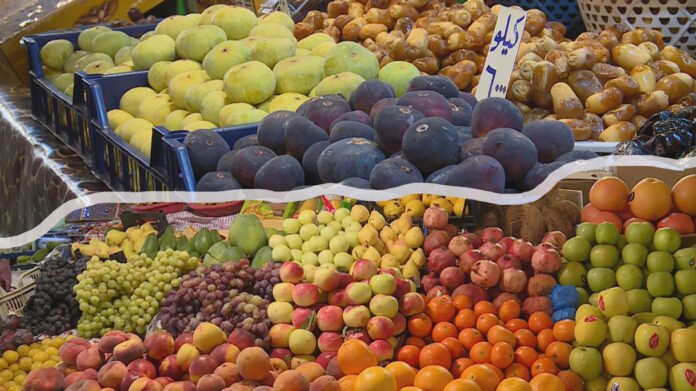
Duhok has strengthened its agricultural role by sending 110,000 tons of locally grown fruits and vegetables to central and southern Iraqi markets during the first half of the year. The achievement highlights the province’s rising production capacity and its growing importance in the Kurdistan Region’s economic diversification plans.
According to Duhok Agriculture Directorate officials, farmers across the province have increased cultivation and improved supply networks, allowing larger quantities of produce to reach consumers outside the Region. The shipments moved between January and the end of June, providing farmers with wider commercial opportunities.
The shipments included several seasonal products, such as onions, tomatoes, cucumbers, grapes, pomegranates, eggplants, snake melons and other agricultural goods. These products came from different farming areas across Duhok Governorate.
Officials said stable market access has become essential for local farmers. Reliable distribution channels help producers manage harvest periods, reduce losses and encourage further investment in agricultural activities.
Ahmed Jamil, Director of Agriculture in Duhok, said the province continues preparing for additional international exports. He explained that improved production methods and stronger market connections have helped local products reach more consumers.
Duhok has already expanded its international agricultural presence. Official data shows that the governorate exported more than 2,300 tons of agricultural products abroad last year. The shipments included rice, honey, sumac, pomegranates and tahini.
The growth supports the Kurdistan Regional Government’s wider efforts to strengthen non-oil sectors. Agriculture remains a key part of economic plans aimed at creating new income sources and supporting rural communities.
The Kurdistan Agriculture Export Initiative has also played an important role in connecting local farmers with international buyers. The program initially focused on pomegranate exports before expanding support for other agricultural products.
Authorities have invested in agricultural infrastructure, including greenhouse development, cold-storage facilities, irrigation improvements and food-processing projects. These measures aim to improve product quality and reduce losses after harvesting.
The government has also introduced policies to support local producers during farming seasons. Import planning, better packaging standards and improved logistics have helped strengthen the competitiveness of Kurdistan-grown products.
Agricultural goods from Duhok and other governorates are increasingly reaching markets inside and outside the Kurdistan Region. Officials believe continued investment will help expand international opportunities for local farmers.
Duhok agricultural exports represent a growing transformation in the Kurdistan Region’s farming sector. With stronger production, improved supply chains and expanding export plans, the province aims to increase agriculture’s contribution to economic growth.