
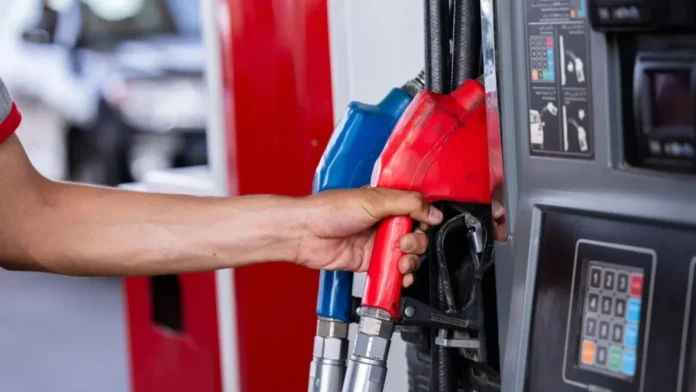
The Kurdistan Region could cut petrol prices from 750 to 450 Iraqi dinars per liter. However, the reduction depends on Baghdad agreeing to equalize oil production costs.
Dr. Ghazal Hostani, Director General of Contracts at the Ministry of Natural Resources, explained the proposal Tuesday. She said Kurdistan currently calculates production costs at $16 per barrel, compared with $4 elsewhere in Iraq.
According to Hostani, matching the federal calculation would give the KRG greater room to subsidize petrol. Consequently, consumers could pay the same 450-dinar price available in other parts of Iraq.
Meanwhile, Baghdad continues importing petrol because domestic refineries cannot meet national demand. Imported fuel reportedly costs more than 2,000 dinars per liter, while government subsidies reduce the consumer price significantly.
Hostani said the Kurdistan Region does not receive an equivalent share of Baghdad’s fuel subsidy budget. Therefore, the KRG has formally requested either its share of the funding or direct access to imported petrol.
At the same time, the KRG has asked Baghdad to increase crude supplies for regional refineries. The request seeks to raise daily deliveries from 50,000 barrels to 130,000 barrels.
Currently, Lanaz receives 40,000 barrels daily, while KAR receives another 10,000 barrels. However, KAR can process approximately 75,000 barrels daily but operates below capacity because crude supplies remain limited.
Furthermore, Hostani said the ministry warned Baghdad about a possible fuel shortage before the current crisis. She said officials sent 10 formal letters requesting cooperation and preventive measures.
Meanwhile, the KRG is encouraging private companies to import petrol to stabilize supplies. Officials are also continuing discussions with Baghdad over crude allocations and subsidy arrangements.
Hostani rejected claims that regional refineries export petrol abroad. Instead, she said the available crude produces approximately 1.75 million liters daily for local consumption.
Fuel transportation also involves monitoring measures, including surveillance cameras on tanker trucks. Inspection teams reportedly track shipments from refineries through to fuel stations.
Ultimately, resolving the petrol shortage will depend on stronger coordination between Erbil and Baghdad. A revised cost calculation could therefore reduce prices and ease pressure on consumers.
For households and businesses, the potential reduction would provide immediate economic relief. However, implementation depends on Baghdad’s response to Kurdistan’s requests over costs, crude supplies, and subsidies.