
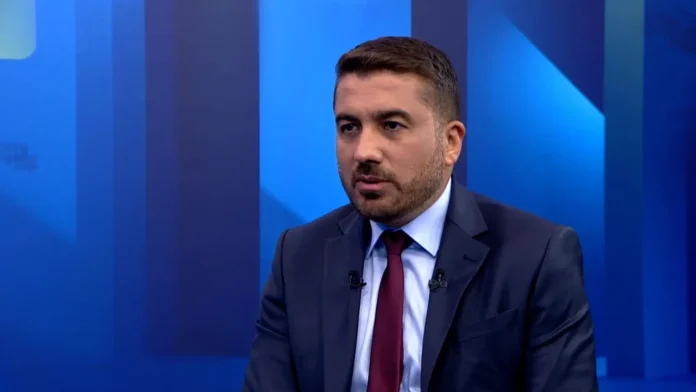
German parliamentarian Serdar Yuksel strongly condemned ongoing Iranian military strikes against the Kurdistan Region during his diplomatic visit to Erbil. The Social Democratic Party lawmaker characterized the missile and drone bombardments as completely unacceptable actions that must immediately cease.
Regional authorities reported over one thousand aerial attacks targeting local infrastructure since broader regional hostilities erupted earlier this year. Consequently, independent monitors confirmed thirty-two civilian deaths and more than one hundred thirty-eight injuries across the affected territories.
Yuksel reaffirmed Berlin’s commitment to supporting the Kurdistan Regional Government against aggressive cross-border military incursions. Furthermore, he emphasized that Germany and European coalition partners must maintain an active military presence throughout northern Iraq.
Recent international adjustments saw coalition forces withdraw various air-defense systems from Erbil International Airport within seventy-two hours. However, Yuksel clarified that German authorities continue actively debating the precise scope of future troop deployments within parliament.
The German delegation warned against abrupt international force departures similar to the chaotic security collapse witnessed in Afghanistan during 2021. Therefore, European allies must honor their security commitments to preserve stability across the multi-ethnic region effectively.
During high-level diplomatic meetings, Yuksel held discussions with KDP leader Masoud Barzani and Kurdistan Region President Nechirvan Barzani. The respective leaders evaluated pressing security threats, regional conflict dynamics, and ongoing humanitarian efforts benefiting displaced minority populations.
Additionally, the German lawmaker called upon Iraqi federal authorities in Baghdad to finance critical infrastructure projects around Shingal. Reconstruction funding remains essential to facilitate the safe, voluntary return of thousands of displaced Yazidi genocide survivors.
Regarding broader Syrian developments, European governments maintain that future reconstruction aid depends entirely on protecting minority rights. Looking forward, European diplomats will continue conditioning diplomatic support on guaranteed civil protections for all regional components.