
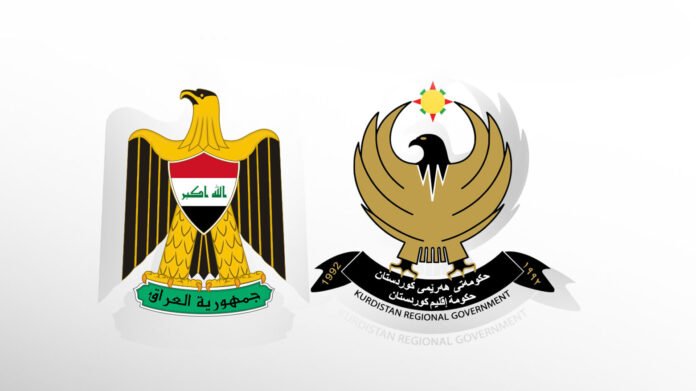
The implementation of the Automated System for Customs Data between Erbil and Baghdad reached an advanced stage today. Meanwhile, a legal adviser at the Ministry of Interior confirmed that the process now awaits final executive approval. Consequently, officials expect the federal Council of Ministers to place the proposal on its agenda for immediate formal endorsement. This initiative could resolve economic disputes while creating a unified digital customs framework across all national border crossings. Ultimately, observers view the deployment as a critical step toward modernizing national trade infrastructure and eliminating inefficiencies.
The United Nations Conference on Trade and Development designed the software platform to automate cross-border commercial declarations. Over recent months, federal authorities expanded digital tracking across international land, air, and maritime entry points. Specifically, the technical framework prevents document falsification, standardizes tariff collection, and accelerates commercial transactions across supply chains. Today, government bodies maintain that electronic integration provides essential oversight needed to curb tax evasion and smuggling networks. Therefore, unifying border protocols represents a core component of national economic diversification strategies.
Financial statistics demonstrate that digital customs initiatives generate substantial non-oil revenue growth for the federal government. For instance, General Customs Authority officials reported revenues exceeding 2.5 trillion dinars through July 2026. In fact, that seven-month collection figure matches total customs receipts recorded during the entire calendar year of 2023. Additionally, monthly revenue reached 500.6 billion dinars in July, marking a 150 percent increase over the previous year. As a result, officials project annual collections could surpass 3.5 trillion dinars, setting a historical fiscal record for the state.
Looking ahead, federal authorities plan to extend automated tracking across all land crossings and major sea terminals. Furthermore, expanding digital verification supports structural reforms aimed at reducing historical economic dependence on crude oil exports. Moving forward, the Council of Ministers must finalize the decree to initiate operational rollout nationwide. In short, full system integration will establish a standardized trade environment across every border post in Iraq.