
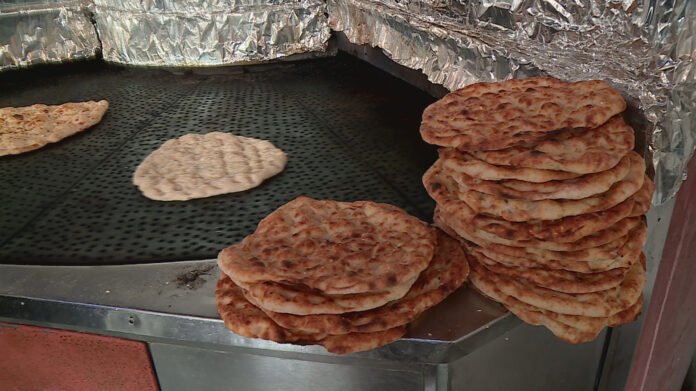
Cultural advocates in Koya completed initial documentation to seek UNESCO recognition for Kulera Be Ron on Tuesday. Local organizers finalized the formal proposal to safeguard the traditional oil-brushed flatbread for future generations. Furthermore, community leaders aim to introduce this distinctive culinary heritage to a broader international audience. The nomination seeks official inclusion on the UNESCO Intangible Cultural Heritage List this year. Consequently, the cultural initiative could significantly boost heritage tourism across the historic district.
Retired educator Yousef Kamal confirmed that organizers had finalized all necessary application documents for submission. He emphasized that the traditional flatbread represents an important element of local identity and pride. Moreover, scholars documented historical preparation methods to preserve authentic baking techniques for future generations. Local advocates believe global recognition could help protect the traditional recipe from modern alterations. Therefore, civic leaders are coordinating with heritage authorities to advance the formal registration process.
Local artisan baker Rebaz Yasin continues preparing the iconic flatbread using traditional methods every day. He noted that eight individual flatbreads currently sell for approximately 1,000 Iraqi dinars locally. Additionally, devoted customers regularly travel long distances across the region to purchase fresh batches. Longtime customer Haji Dilzar Hussein frequently travels from Erbil to Koya to purchase the traditional product. Indeed, regional consumers consider the distinctive flatbread an enduring symbol of Koya’s cultural identity.
The historic district of Koya remains known for its rich architectural heritage and longstanding traditions. Consequently, local leaders view culinary preservation as an important pillar of economic and cultural development. Furthermore, communities across the region increasingly seek international recognition for traditional crafts and cultural practices. International heritage recognition could create opportunities to expand sustainable cultural tourism throughout the region. Ultimately, successful enrollment would connect Koya’s culinary traditions with broader global heritage preservation efforts.