
Erbil authorities are preparing to establish several new protected natural areas across the governorate. Regional officials are combining strict hunting controls, wildlife monitoring, and global conservation standards to safeguard local ecosystems. This initiative expands an existing network of protected zones to preserve fragile mountain and river environments.
Dilshad Hirani, director of the Erbil Environment Directorate, confirmed that public environmental awareness has increased significantly. Consequently, local residents now actively protect native species and often supply food during harsh winters. Officials report a notable drop in illegal hunting alongside a steady recovery of vulnerable animal populations.
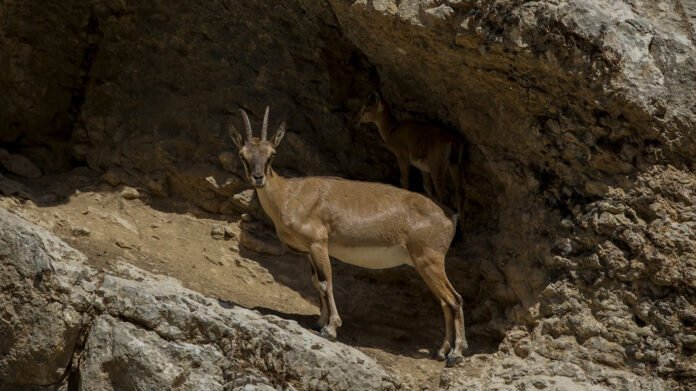
Environmental protection forces actively maintain round-the-clock monitoring throughout the Erbil Plain and surrounding mountain valleys. Recent field surveys show that gazelle populations are expanding rapidly in areas like Zurgazraw. Furthermore, rare birds like the Shikra have recently reappeared, confirming positive ecological trends across the region.
This local initiative supports a broader regional strategy to register forty-five natural sites with international bodies. Environmental board statistics show that northern governorates host over half of Iraq’s identified protected zones. Therefore, authorities are integrating local traditions with modern management practices to secure long-term biodiversity goals.
Regional leaders recently mandated strict CITES trade certifications to stop foreign invasive species and pathogens. Environmental agencies coordinate these regulatory controls directly with federal border officials to stop illegal trade. Thus, comprehensive legislation now covers commercial trade, habitat protection, and active species monitoring.
Community-led stewardship in areas like Barzan established early rules against tree cutting and river destruction. Modern administrators now build upon these historical social norms to enforce modern environmental legislation effectively. Local communities increasingly view natural habitat preservation as a core social duty rather than a burden.
Government ministers are linking these conservation networks directly to sustainable eco-tourism and economic diversification strategies. However, officials must balance growing tourism developments against urban expansion, recurring droughts, and climate change pressures. Stronger enforcement mechanisms will determine whether these designated reserves successfully maintain their expanding wildlife populations.
Regional authorities will formally announce the exact boundaries of the new Erbil protected natural areas. International environmental organizations will provide technical expertise and monitoring tools to support these site managers. Ultimately, continuous enforcement will determine if these expanded reserves can protect regional heritage for future generations.