
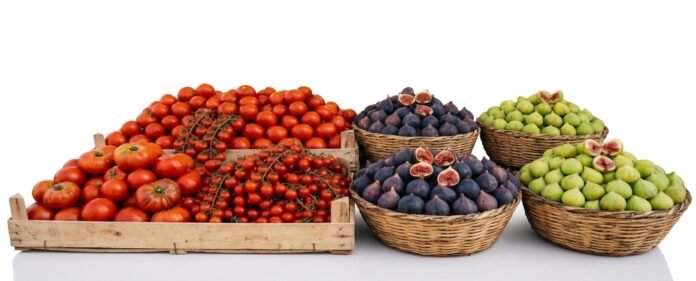
Agricultural commodity markets across the Kurdistan Region experienced significant price changes on Monday as seasonal harvests affected local supplies. Tomato prices have increased sharply in recent weeks, while abundant fig harvests have pushed fig prices lower.
Dana Aziz, a board member of the Erbil Wholesale Market, said declining local tomato production has driven the recent price increase. In early August, wholesale tomatoes sold for around 250 Iraqi dinars per kilogram at Erbil’s markets. However, prices have now reached approximately 500 dinars per kilogram as supplies from local farms decline.
Meanwhile, tomatoes from higher-altitude areas, including Sidakan and Haj Omran, are entering regional markets at higher prices. Consumers currently pay between 600 and 750 dinars per kilogram for these northern highland tomatoes. Market officials said seasonal production changes are affecting wholesale prices across the region.
In contrast, abundant fig harvests have caused prices to fall significantly. High-quality Akre figs previously reached wholesale prices of up to 13,000 dinars per kilogram last month. However, increased supplies have pushed current prices down to between 3,000 and 4,000 dinars per kilogram.
Taqtaq figs are also selling at considerably lower prices, with wholesale vendors offering them for between 1,000 and 1,500 dinars per kilogram. Aziz said strong seasonal production has increased supplies across regional agricultural markets, placing downward pressure on fig prices.
Sulaimani Wholesale Market spokesman Haji Ata Muhammad said tomato shortages in Erbil have also affected prices in Sulaimani. Wholesale tomato prices there have reached around 750 dinars per kilogram despite new supplies arriving from Penjwen.
Muhammad added that fig prices vary according to geographic origin and quality. Local figs sell for around 1,000 dinars per kilogram, while premium varieties from Hawraman can reach 7,000 dinars.
Market analysts expect tomato prices to remain elevated until autumn harvests increase supplies. Meanwhile, lower fig prices are expected to continue benefiting consumers as seasonal production remains strong across the region.