
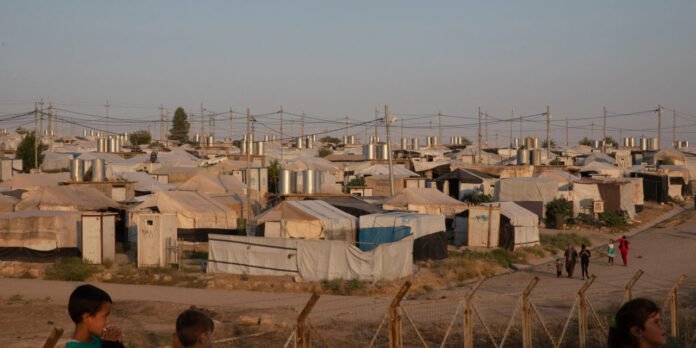
Duhok officials are raising alarms over the aid delays in Duhok camps, as federal assistance from Baghdad continues to fall short in 2025. Diyan Jaafar, the head of the Displacement and Crisis Response Directorate in Duhok, confirmed that humanitarian aid shipments from Baghdad have been minimal and inconsistent.
According to Jaafar, food baskets and hygiene supplies have only reached the camps twice this year. This marks a sharp decline from previous years and highlights the growing crisis. He also revealed that many international humanitarian organizations have scaled back their operations in the region. Their reduced presence adds to the worsening situation for displaced families.
As federal support diminishes, the Kurdistan Regional Government has taken on a greater role. Jaafar explained that the KRG now handles five vital service sectors: health, education, electricity, water, and waste management. This extra responsibility places a significant financial and logistical strain on the regional government. It stretches local resources and limits their ability to expand support.
The aid delays in Duhok camps could have devastating effects as the summer heat intensifies. Jaafar warned that many families already face hardship, and the lack of steady aid only worsens their conditions. High temperatures, poor sanitation, and insufficient food could trigger a humanitarian emergency unless aid resumes quickly.
Currently, Duhok hosts over 300,000 displaced individuals across 15 camps. The majority of them come from Sinjar in the Nineveh province, having fled conflict and instability in their home region. Many have lived in the camps for years, relying on aid for survival.
The reduction in international support has also shocked many local observers. Jaafar expressed concern that without sustained global involvement, displaced populations may become invisible to the world. He urged both Baghdad and international donors to resume their commitments immediately. The aid delays in Duhok camps not only affect basic services but also create long-term risks for stability and social cohesion.
Local NGOs and volunteers continue to step in where they can, but their efforts remain limited. Jaafar emphasized that proper infrastructure and steady funding are necessary to keep the camps functioning. Without help, regional authorities may soon become overwhelmed.
In closing, Jaafar called for immediate action from Baghdad and global agencies. The fate of hundreds of thousands of people depends on consistent support. If the current aid delays continue, the situation could spiral into a full-blown crisis.