
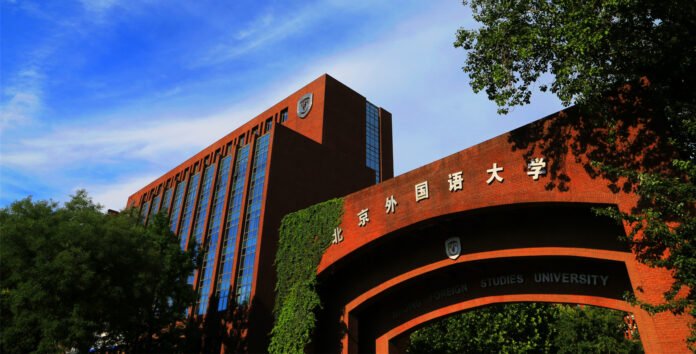
Beijing Foreign Studies University will launch its first formal Kurdish language program this coming September. The Chinese Ministry of Education officially approved the new academic curriculum after several years of careful preparation. Furthermore, language experts view this historic milestone as a vital cultural bridge between China and the Kurdistan Region. This institutional recognition highlights the growing strategic relationship between China and the Kurdistan Region. Consequently, the initiative opens new educational opportunities for language scholars across East Asia.
The specialized academic curriculum will accept between 10 and 20 students in its inaugural cohort. During the first three years, enrolled undergraduates will primarily focus on mastering the Sorani dialect. Subsequently, faculty members will introduce the Kurmanji dialect during the final year of study. This structured approach aims to help graduates develop proficiency in both major Kurdish dialects. Therefore, academic leaders expect the formal program to foster deeper cross-cultural understanding and collaboration.
Educational ties between regional institutions continue expanding through parallel language and cultural initiatives. Salahaddin University in Erbil has operated an official Chinese language testing center since 2022. This testing center supports academic exchange programs lasting between one and six months. Currently, more than 100 students study Chinese at Salahaddin University across multiple degree programs. Indeed, two student cohorts have already graduated and entered the regional workforce as skilled interpreters.
Academic organizers intend to establish a strong two-way exchange network for participating international scholars. Consequently, Chinese undergraduates studying in Beijing will travel to Erbil for immersive language practice. Scholars believe direct social interaction can improve conversational abilities more effectively than traditional classroom instruction. Furthermore, stronger linguistic skills among graduates could strengthen diplomatic and economic connections in future years. Ultimately, both institutions plan to expand research partnerships across scientific and humanities disciplines.