
The Kurdistan Regional Government recently requested an extension for this year’s wheat procurement deadline. Weather delays left parts of Duhok province behind in harvesting their crops. Nawzad Sheikh Kamil, Director General of Trade, shared these updates on Monday.
He noted that the 2026 procurement campaign progressed successfully across most areas. However, authorities want additional time for late-harvesting regions. Consequently, this extension will ensure that the government purchasing program includes all local farmers.
In several parts of Duhok, heavy rainfall and lower temperatures slowed the ripening process. Many farmers only recently began harvesting their fields. Therefore, officials requested a multi-day extension to receive the remaining wheat safely.
The current procurement deadline expires on July 15. Officials stated that the request protects farmers with delayed schedules. Furthermore, the extension will not alter the overall procurement plan.
Currently, the wheat collection campaign enters its final stage. The government procured approximately 333,000 tons of wheat by July 10. This amount completes about 86% of the 2026 seasonal target. Meanwhile, procurement remains underway at 13 government silos across various provinces.
Wheat serves as a strategic crop for the region. It supports food security and provides essential income for thousands of rural families. Additionally, the federal government approved the purchase of up to 400,000 tons of wheat this season.
Alongside the extension request, officials are managing surplus grain. Prime Minister Masrour Barzani directed a specialized committee to market this extra wheat. Consequently, the committee held discussions with 13 private-sector companies to establish fair market prices. This effort ensures that farmers do not suffer financial losses.
Additionally, Sheikh Kamil addressed outstanding payments from the 2025 campaign. More than 141 billion Iraqi dinars remain unpaid to eligible farmers. However, the federal government will release monthly budget allocations to settle these dues systematically.
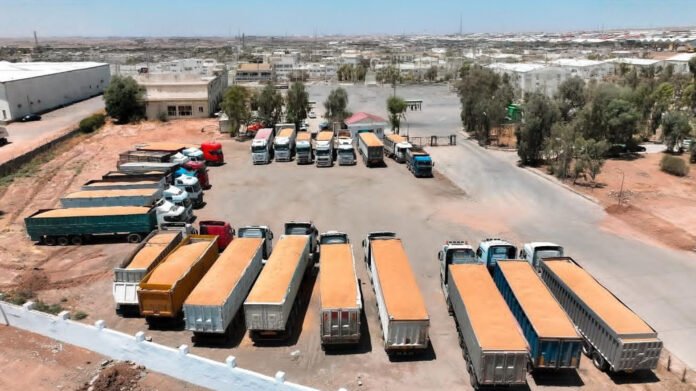
Meanwhile, a new mobile application revolutionized operations this season. Farmers now reserve delivery times before arriving at government silos. Previously, long truck lines created massive delays and increased transportation costs. Now, the digital booking system substantially reduces congestion and shortens waiting times.
Finally, this campaign aligns with broader agricultural reforms. Recent policies include seasonal import restrictions and seed subsidies. Today, nearly two-thirds of the agricultural output reaches broader markets. Ultimately, these steps modernize the agricultural sector and protect local livelihoods.