
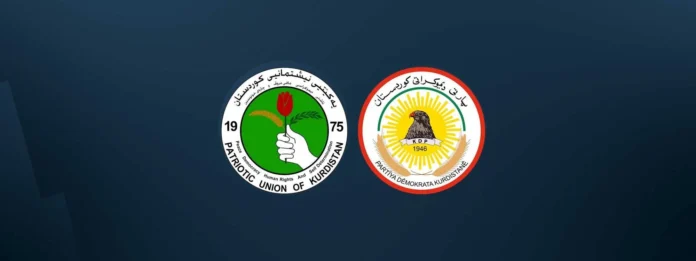
The Kurdistan Islamic Union successfully brought the two dominant ruling parties closer to a long-awaited political summit. Consequently, the Kurdistan Democratic Party and the Patriotic Union of Kurdistan responded positively to the mediation efforts. The potential meeting aims to break the severe political deadlock surrounding the formation of the next regional government cabinet. Spokesperson Salahuddin Babakir confirmed that other parliamentary blocs will also participate if the summit takes place.
Negotiators aim to establish clear procedures to reactivate the regional parliament. The political stalemate has lasted for more than twenty months since the last legislative elections. Lawmakers met only once during this extended period to take their constitutional oaths, and they have still not elected permanent parliamentary leadership.
The previous election results produced a divided legislature. The Kurdistan Democratic Party won thirty-nine seats, while its rival secured twenty-three seats. Neither side achieved the absolute majority required to govern alone. Furthermore, both factions presented significantly different demands during the early coalition negotiations.
Patriotic Union leader Pola Talabani expressed strong support for ending the current governance impasse. However, he called for a comprehensive review of the existing power-sharing framework. He stated that the leading party must demonstrate greater flexibility during negotiations.
The leading party rejected accusations of being inflexible. Central Committee member Hiwa Gailani emphasized that his party had repeatedly invited rivals to formal talks. He noted that the current political environment appears favorable for a successful meeting.
Recent coalition shifts have further strained the political atmosphere. The Patriotic Union recently formed a single thirty-eight-seat negotiating bloc with an opposition movement. The leading party strongly opposes this strategic alliance and refuses to negotiate with the combined group. Instead, it insists on holding separate talks with individual parties.
Ultimately, this upcoming summit represents a critical test for regional political stability. Its outcome could determine whether the major parties can overcome their differences, restore government institutions, and move toward greater political cooperation.