
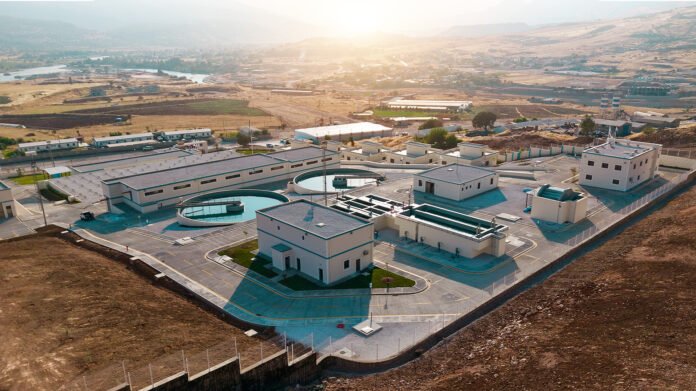
The Kurdistan Regional Government has made significant progress in addressing severe water shortages across northern Iraq. Authorities recently activated strategic emergency supply networks, allowing regional officials to permanently decommission 930 groundwater wells. This transition toward surface-water collection protects depleted aquifers while modernizing public water distribution systems.
Decades of overreliance on groundwater previously forced municipal drillers to reach depths exceeding 700 meters. Consequently, the government launched the Erbil Emergency Water Supply Project to efficiently treat river water. This major engineering shift promises more reliable access to essential water resources for millions of local residents.
The project draws water directly from the Greater Zab River and treats 480,000 cubic meters daily. Furthermore, the facility now covers approximately 60 percent of Erbil’s total municipal water demand. Out of 1,411 regional groundwater wells, operators have already successfully sealed 930 exhausted sites. For instance, workers shut down 136 wells in Qushtapa and 58 in the Barzan district.
Meanwhile, municipal authorities in Sulaimani recently initiated the Third Line of the Dukan Water Project. This major undertaking matches Erbil’s processing capacity while securing residential water supplies for the next 30 years.
KRG Director General of Water and Sewerage Ari Ahmed confirmed active construction across several provinces. Consequently, local communities experienced fewer acute water shortages during the recent summer season. Construction crews have already brought the Darbandikhan facility to 85 percent completion. Similarly, progress at the Akre facility has reached 75 percent through steady construction efforts.
Furthermore, the Goptepe–Chamchamal project currently stands at 43 percent completion and requires additional financial support. Officials estimate full operations within eight months once administrative and budgetary approvals clear the remaining hurdles.
Contractors have achieved 40 percent progress on the Bardarash system, which will serve dozens of surrounding villages. The fully operational Barzan network already provides a clear framework for future water infrastructure developments. Moving forward, regional authorities have approved additional municipal facilities in Khabat, Koya, Kalar, and Soran districts.
Administrators also plan to expand the existing Qandil network once finalized budgets provide the necessary funding. Ultimately, these ongoing KRG water infrastructure projects are transforming public utility delivery and strengthening long-term water security.