
The agricultural sector in the Kurdistan Region has experienced a massive transformation. Local farmers now export nearly two-thirds of their total crop yield to central and southern Iraq. Furthermore, agricultural workers regularly ship high-quality products to foreign markets.
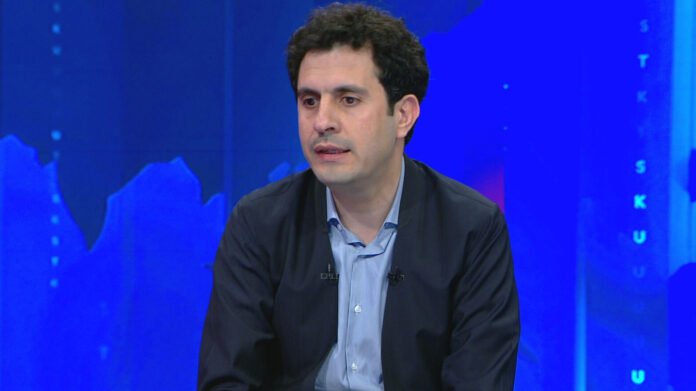
Erbil Agriculture Director General Hemin Sayed Murad shared these impressive trade figures during a public statement. He credited the current administration with implementing effective economic reforms. These strategic adjustments have successfully protected local farmers while significantly expanding regional commercial capabilities.
International imports previously flooded the domestic marketplace during peak harvest seasons. This practice severely affected the profits of regional farmers. The government addressed this crisis by establishing a strict seasonal calendar. Consequently, temporary import bans help maintain stable local prices.
The regional administration provides significant material support to farming families. Officials annually distribute high-quality certified potato seeds at highly discounted rates. The government spends nearly one million dinars per ton on these seeds; however, farmers purchase them for less than half of the original cost. The state also provides modern machinery and fertilizers free of charge.
These combined efforts have fundamentally transformed the regional economy. Currently, the population consumes only one-third of locally produced food supplies domestically, while the remaining majority is exported to external trade partners.
Ministers continue to work on resolving ongoing grain storage challenges. Prime Minister Masrour Barzani recently led a special cabinet meeting regarding wheat marketing. The council called for fair treatment from the federal procurement program. They urged federal officials to purchase Kurdish grain equally without creating unnecessary administrative barriers.
These long-term agricultural improvements aim to ensure food security, strengthen the resilience of the agricultural sector, and promote sustainable economic growth for future generations. Through continued investment, modern farming practices, and stronger support for local producers, these efforts will help create a more stable food system while protecting natural resources and improving the livelihoods of farming communities in the years ahead.