Tourism has emerged as a major economic driver in the Kurdistan Region over the past seven years. Official statistics show that developers invested $7.68 billion in tourism projects. Consequently, this significant investment represents a substantial share of the region’s total development capital. The Kurdistan Region Investment Board released the figures on Tuesday. Overall, investments across all sectors exceeded $22 billion during the same period.
These figures highlight a shift in the region’s economic priorities. Regional planners no longer view tourism as a secondary economic activity. Instead, they consider tourism infrastructure a key pillar of long-term economic growth. Strategic investment continues to transform local landscapes and expand commercial services. As a result, both foreign and domestic investors are increasing their presence in the region.
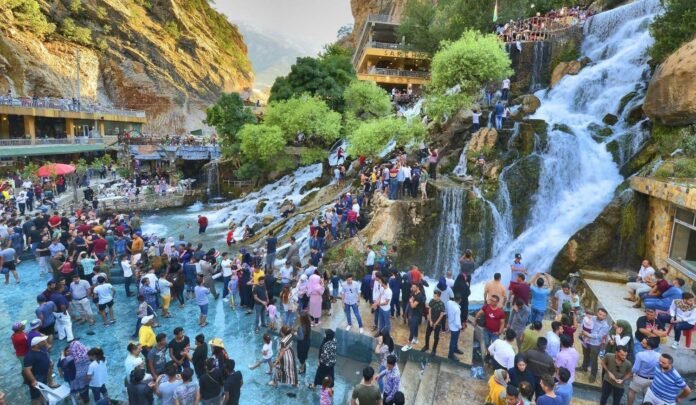
The expansion of tourism infrastructure has created thousands of sustainable job opportunities for local residents. Regional officials previously announced that developers completed more than 80 major strategic tourism projects. Today, the Kurdistan Region offers visitors more than 3,000 operational tourism facilities and destinations. Furthermore, the growing tourism network provides employment for more than 20,000 people. Notably, local residents hold 80 percent of those jobs. Therefore, tourism investment continues to strengthen the regional labor market and support household incomes.
The expanding hospitality sector also attracts a growing number of international visitors each year. Modern tourism facilities provide improved services while preserving the region’s historical heritage and natural attractions. Consequently, increased visitor spending supports local retailers, transportation companies, restaurants, and hotels. Local business owners continue to benefit from rising tourism activity and stronger consumer demand.
Strong financial investment has established tourism as a key pillar of the Kurdistan Region’s economy. Government institutions continue to support private developers through strategic planning and streamlined licensing procedures. They also aim to diversify the economy and reduce its reliance on natural resources. Looking ahead, continued private investment is expected to drive long-term growth across the tourism sector. Investors remain confident in the Kurdistan Region’s expanding hospitality and tourism market.