
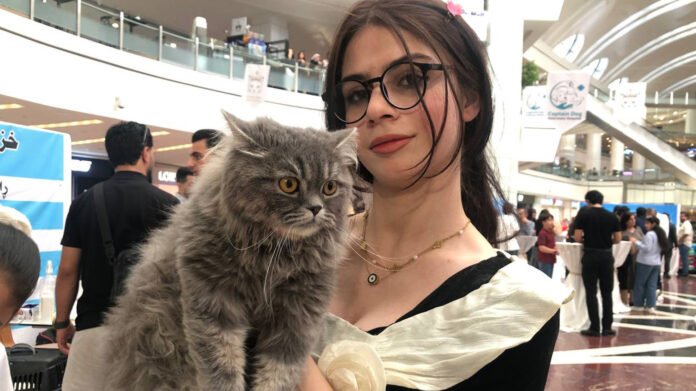
Cat owners gathered in Sulaimani on Saturday for the annual Miss Cat festival. The event celebrates companionship while bringing local animal lovers together.
Now in its third year, the festival has become a popular gathering for cat owners. Participants brought their pets and shared stories about caring for them.
Several cats carried names reflecting affection and local culture, including Xapa, Guli, Sura, and Oreo. For many owners, however, the event represents more than a friendly competition.
One participant said she has cared for cats for around nine years. She currently keeps four cats and has raised some animals for several years.
Daily care includes providing food, clean water, and dedicated spaces inside or outside the home. Such routines demonstrate the growing commitment among some residents toward household pets.
Another participant brought an eight-month-old cat known for its calm behavior. Despite its generally quiet personality, the owner said the animal can become mischievous when annoyed.
Oreo, another featured cat, has lived with his owner for four and a half years. Initially, the owner’s mother opposed keeping a cat inside the family home.
The mother reportedly became strongly attached to Oreo. The experience highlighted how pets can gradually become important members of households.
The festival reflects a wider growth in pet culture across parts of the Kurdistan Region. Veterinary services, grooming businesses, pet supplies, and boarding facilities have become increasingly visible.
Pet-friendly spaces have also started appearing in major cities. Additionally, social media allows owners to share photographs and videos while connecting with other animal lovers.
The growing popularity of household pets exists alongside significant animal-welfare challenges. Stray animals remain a major concern for authorities and communities across the Region.
During 2025, authorities collected 8,437 stray dogs from streets and residential areas in Erbil. Some animals received vaccinations and sterilization before authorities released them away from populated areas.
The contrast highlights two different aspects of animal life across the Region. Household pets increasingly receive care and companionship, while stray animals continue requiring organized welfare programs.
For Miss Cat participants, the festival offers an opportunity to celebrate personal relationships with their animals. Their stories focus on companionship, responsibility, and the daily routines surrounding pet ownership.
As the festival continues, such gatherings could further strengthen public interest in responsible animal care. They may also encourage broader conversations about veterinary services and animal welfare.