
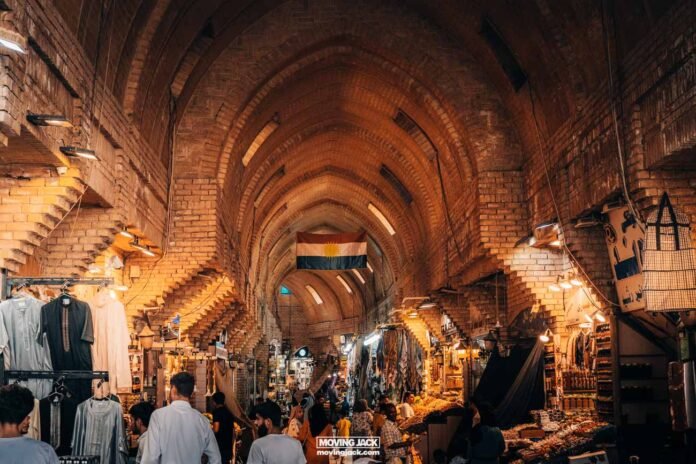
The Kurdistan Regional Government transformed business conditions at the historic Qaysari Bazaar through its innovative Runaki project. Local shopkeepers now enjoy continuous twenty-four-hour electricity. This stable power grid completely replaced the noisy, polluting private diesel generators. Shopkeepers report a dramatic improvement across the centuries-old commercial center.
The new electricity network significantly lowered monthly operating expenses for small businesses. One clothing merchant explained his dramatic financial relief. He previously paid up to sixty thousand Iraqi dinars each month for generator power. His monthly bill currently totals only twelve thousand dinars.
Traders no longer receive duplicate bills from different energy suppliers. They now pay one single, reasonable bill directly to the regional government. This unified payment system eliminates confusion. It also protects small business owners from unfair pricing by private operators.
The initiative brought massive environmental benefits to the entire marketplace. Thick diesel smoke and constant generator noise previously bothered shoppers. Today, tourists explore a clean, quiet, and highly pleasant environment.
Restaurant owners praise the reliable power grid for improving daily operations. Frequent blackouts repeatedly damaged expensive kitchen appliances in the past. Private generators also produced excessive heat inside the narrow market alleys. Now, employees work comfortably because the modern grid offers steady electrical current.
This initiative advances the government’s broader strategy to modernize the regional energy sector. The authorities continuously expand the infrastructure across Erbil, Duhok, and Sulaimani provinces. This transition lowers pollution levels and upgrades public services for everyone.
The cleaner atmosphere boosts the market’s overall commercial appeal. The bazaar sits directly next to the famous Erbil Citadel, a protected UNESCO World Heritage Site. Local officials expect higher tourism numbers because of these infrastructure upgrades. The successful project ultimately proves how modern utility systems can preserve vital cultural landmarks.